
1500
Belle View Boulevard
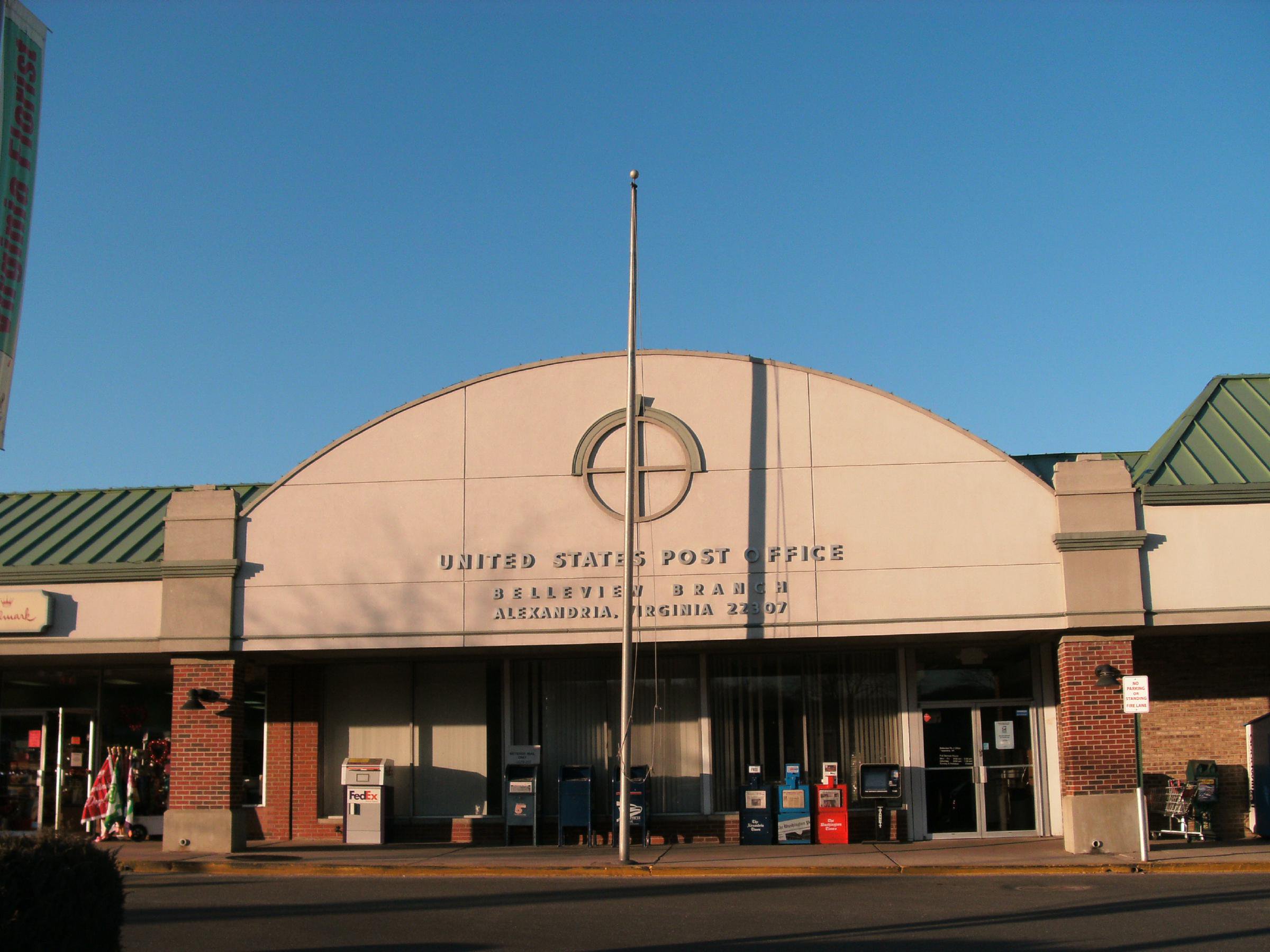
Mid-century shopping center on the former River Farm tract, one of the five constituent farms of George Washington’s Mount Vernon plantation. Juxtaposes a Washington-era agricultural landscape with postwar auto-oriented suburban commerce.
- 1949approx
- Mid-Century Commercial
- Extant
Place narrative
The Belle View Shopping Center opened around 1949 on the low ground along the George Washington Memorial Parkway south of the Alexandria city line. The center’s site lies within the historic boundaries of River Farm, one of the five working farms that made up George Washington George Washington b. 1732 · d. 1799 Planter, military commander, and first President of the United States. Master of Mount Vernon from 1761 until his death in 1799, and a regular presence in Alexandria, which he … ’s Mount Vernon plantation in the eighteenth century [1] Powell, History of Old Alexandria, 1928 Book . Washington acquired the River Farm tract in 1760 and worked it with enslaved laborers until his death.
The land passed through successor owners after 1799 and was farmed in various forms through the nineteenth century and into the twentieth. In the 1930s and 1940s, as the George Washington Memorial Parkway was extended southward, portions of the old Washington farms were cleared for federal parkland, for a sewage treatment plant, and for the suburban developments that followed [2] Alexandria Library Special Collections Manuscript . The Belle View Shopping Center and the adjacent Belle View Apartments date from this postwar wave of development.
The American Horticultural Society acquired the surviving main residence of River Farm in 1973 and maintains a 27-acre portion of the tract as its national headquarters and public garden. The shopping center itself is ordinary mid-century commercial architecture — a Safeway anchor, a row of smaller storefronts, parking facing the parkway — but its siting atop Washington’s River Farm is, to the platform’s editorial eye, one of the most striking juxtapositions of American history and twentieth-century commerce in the metropolitan region [3] LOC Prints & Photographs Photograph .
Timeline
4 chronological entries across 3 eras.
- –
West Ford lived and worked on the Mount Vernon farms, including at times River Farm, before his later manumission. [2] Source Miller, Artisans and Merchants, 1991
Opening of Belle View Shopping Center [3] Source Alexandria Library Special Collections
The building
- Mid-Century Commercial
Gallery

Historical-style placeholder of Belle View Shopping Center, c. 1785. Seed placeholder — KingSt.com, 2026. To be replaced with archival photograph. 
Placeholder illustration of Belle View Shopping Center. Seed placeholder — KingSt.com, 2026. To be replaced with archival photograph. 
Secondary placeholder view of Belle View Shopping Center. Seed placeholder — KingSt.com, 2026. To be replaced with archival photograph.



Connected
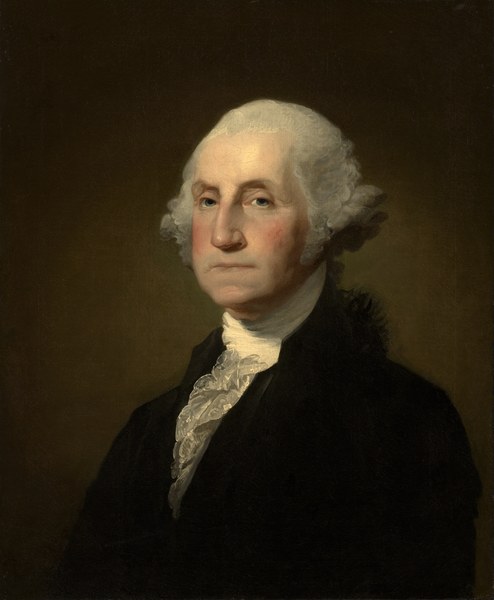
George Washington
b. 1732 · d. 1799
Planter, military commander, and first President of the United States. Master of Mount Vernon from 1761 until his death in 1799, and a regular presence in Alexandria, which he …
Owner · Plantation farm · %!d(float64=1760)–%!d(float64=1799)
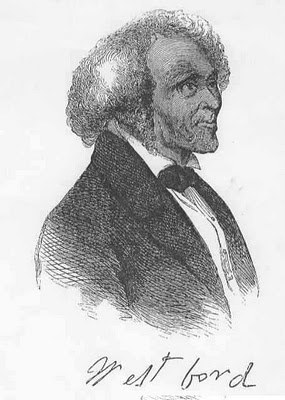
West Ford
b. 1784 · d. 1863
Man born enslaved on the estate of Bushrod Washington and later freed; a longtime manager at Mount Vernon whose descendants maintain an oral tradition of descent from the …
Visitor notable · Plantation farm · %!d(float64=1784)–%!d(float64=1799)
Nearby in time
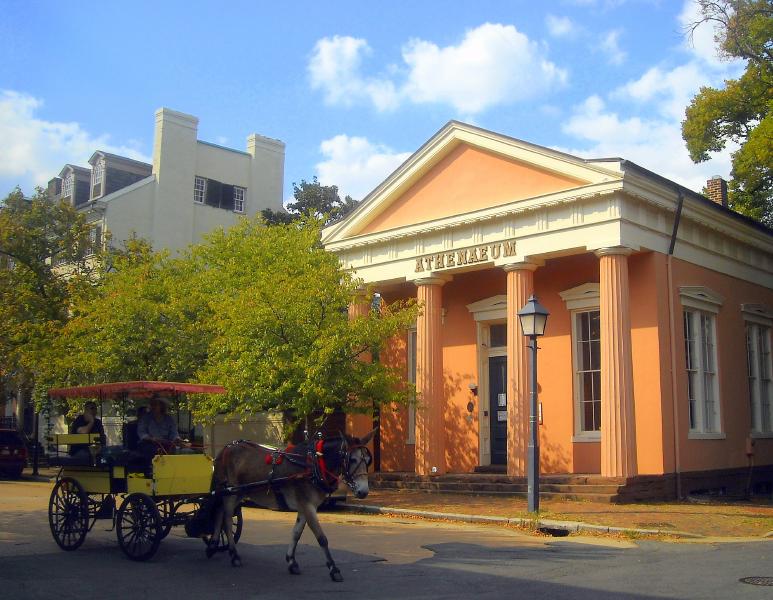
AgnosticPreachersKid at en.wikipedia · via Wikimedia Commons · CC BY-SA 3.0 Old and Historic Alexandria District, the colonial-through-antebellum core of the city, listed on the National Register in 1966.
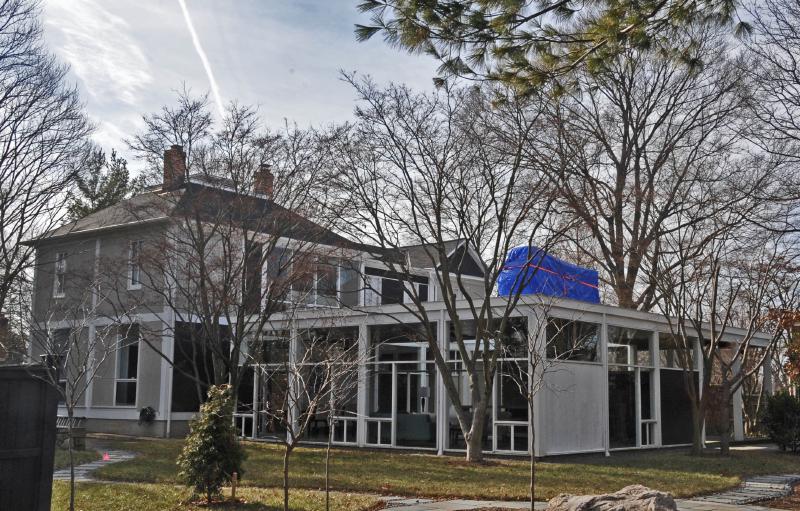
Jerrye & Roy Klotz, MD · via Wikimedia Commons · CC BY-SA 3.0 510 North Quaker Lane
Mid-century modern residence designed by architect Charles M. Goodman, who pioneered modernist housing in the Washington region. NRHP-listed …
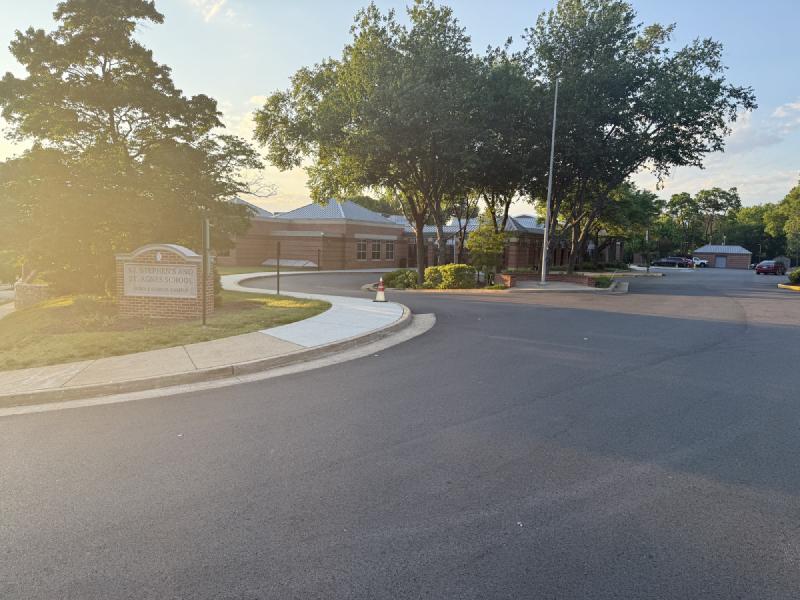
St. Stephen's and St. Agnes Middle School Campus on West Braddock Road at sunrise — the entrance sign and the brick academic buildings beyond, back-lit by golden-hour light. © KingSt.com, 2024 4401 West Braddock Road
Middle School (grades 6–8) of St. Stephen's & St. Agnes since the late 1990s, on the West Braddock Road campus that previously housed …
1200 Duke Street 1200 Duke Street
Headquarters of T. J. Fannon & Sons at 1200 Duke Street, the Alexandria heating-fuel firm founded by Thomas J. Fannon as a wood-and-coal …
Nearby in space
6023 Fort Hunt Road 6023 Fort Hunt Road
1924 private country club at 6023 Fort Hunt Road on the Potomac River south of Old Town Alexandria. 18-hole golf course, tennis courts, and …
South Richmond Highway South Richmond Highway
Mid-rise commercial office building on South Richmond Highway (Alexandria's Route 1 corridor), owned/operated by the . Established by 1971 …
Placeholder illustration of Alexandria National Cemetery. Seed placeholder — KingSt.com, 2026. To be replaced with archival photograph. 1450 Wilkes Street
One of the original fourteen national cemeteries established in 1862, interring Union dead from the Civil War, including United States …
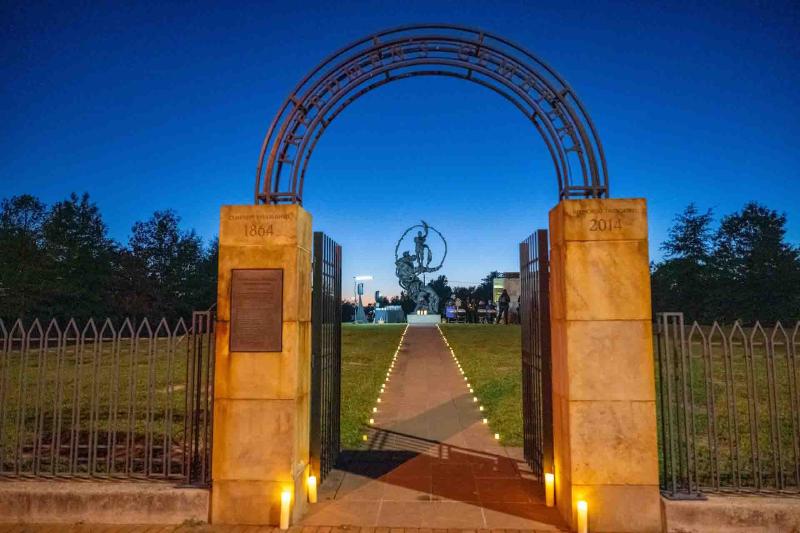
Tenth-anniversary candlelight vigil at the gate of the Contrabands and Freedmen Cemetery Memorial, 2024 — looking past the inscribed pillars and the lit walkway to Mario Chiodo's bronze sculpture, "The Path of Thorns and Roses," at the heart of the memorial. 10th-anniversary candlelight vigil, 2024 — City of Alexandria (fair use) 1001 South Washington Street
Burial ground established in 1864 by the Union military government on the southern edge of Federally-occupied Alexandria for …
Now
No current occupant on file. Are you, or someone you know, the present occupant? Claim this place to add operating hours, a current photo, and a short note.
Sources
- 1.
Mary G. Powell, The History of Old Alexandria, Virginia, from July 13, 1749 to May 24, 1861, Richmond: William Byrd Press, 1928.
Book
- 2.
Alexandria Library, Local History/Special Collections, Barrett Branch, Alexandria, Virginia.
Manuscript
- 3.
Library of Congress, Prints & Photographs Online Catalog (Washington: Library of Congress).
Photograph
See something wrong?
Every correction is logged dated to this page. Family history, old photographs, or a citation we missed — everything goes into the file.