121
North Fairfax Street
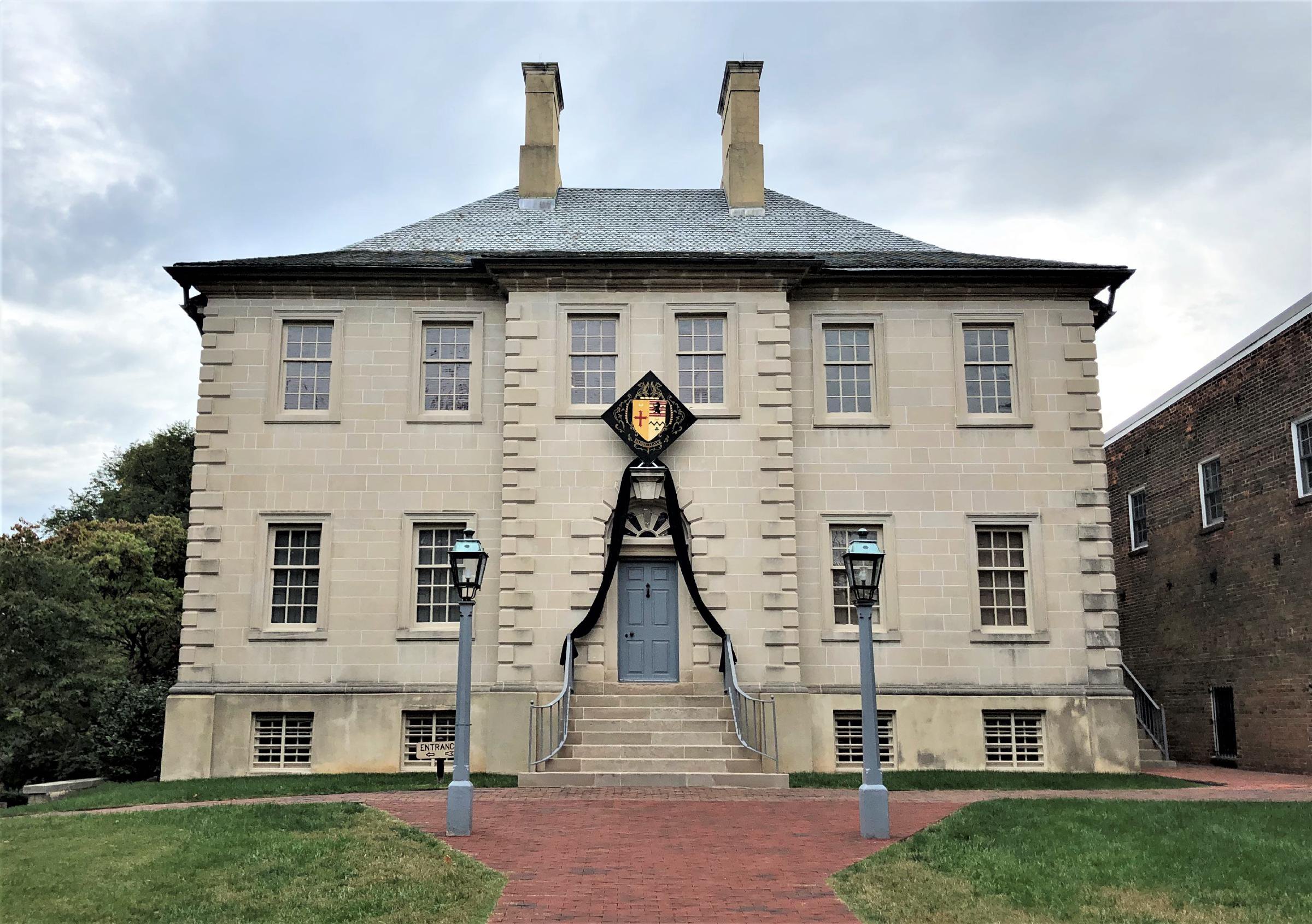
Stone Georgian mansion built in 1753 by Scottish merchant John Carlyle; headquarters in April 1755 for General Edward Braddock’s Congress of five royal governors planning the French and Indian War campaign.
- 1753
- Georgian
- Extant
- National Register of Historic PlacesOld and Historic Alexandria District
Place narrative
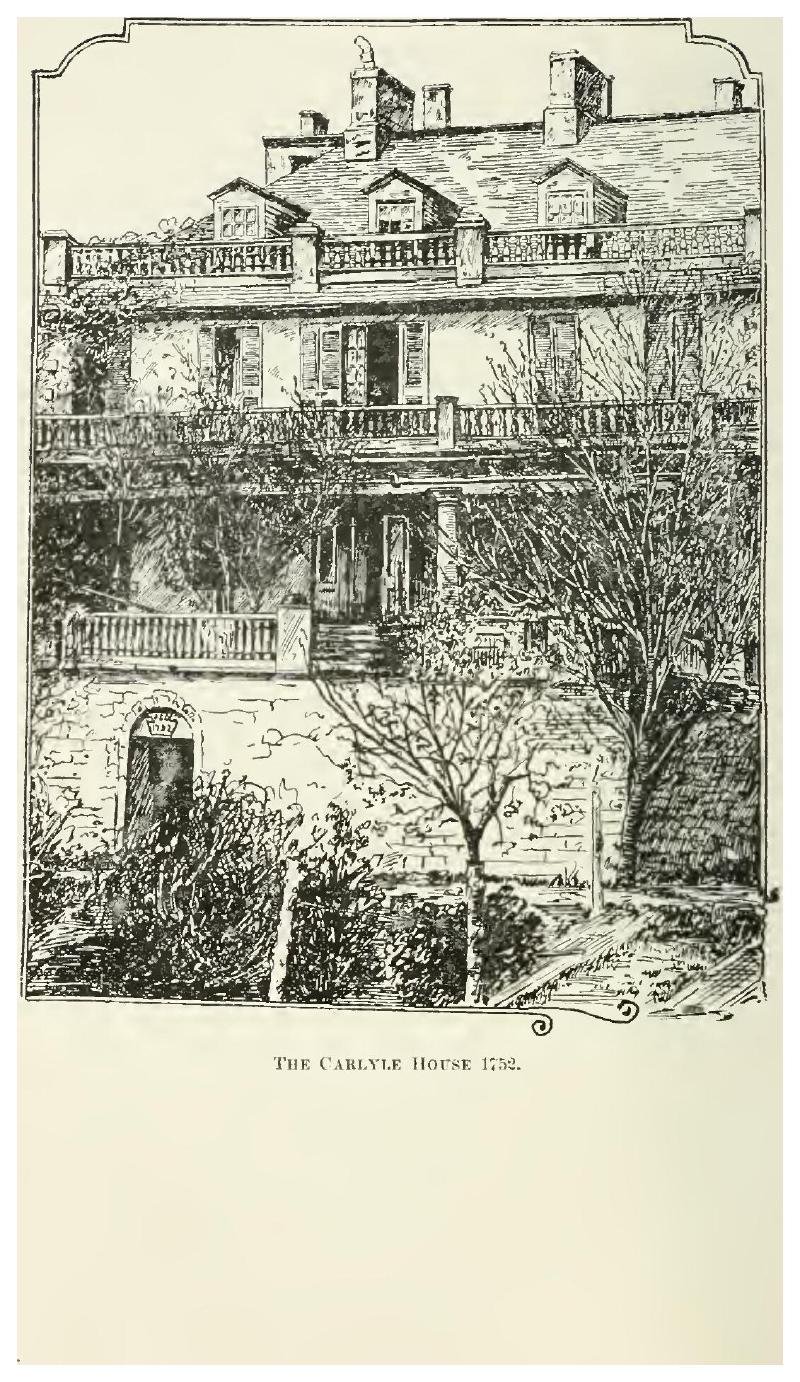
The Carlyle House was completed in 1753 by John Carlyle John Carlyle b. 1720 · d. 1780 Scottish-descent merchant born in Carlisle, England, in 1720; one of the eleven founding trustees of Alexandria in 1749, and builder of the stone Carlyle House at the head of what … , one of the eleven founding trustees of Alexandria, on a block-long lot fronting the Potomac [1] Miller, Artisans and Merchants, 1991 Book . Its cut-stone masonry and two-story symmetrical plan were exceptional for the Virginia tidewater in the mid-eighteenth century, where brick was the usual prestige material. The east front door — the one facing the river — carries a keystone above it cut “J. S. C. 1752”: J and C for John Carlyle, S for his first wife Sarah Fairfax Carlyle Sarah Fairfax Carlyle b. 1728 · d. 1761 Second daughter of of Belvoir; in 1748 married , anchoring the Carlyles into the Fairfax network. Her sister Anne Fairfax was the wife of Lawrence Washington of Mount Vernon … , the date marking the year the masonry was begun [2] R. H. Spencer, "The Carlyle House" (W&M Quarterly, July 1909) Book .
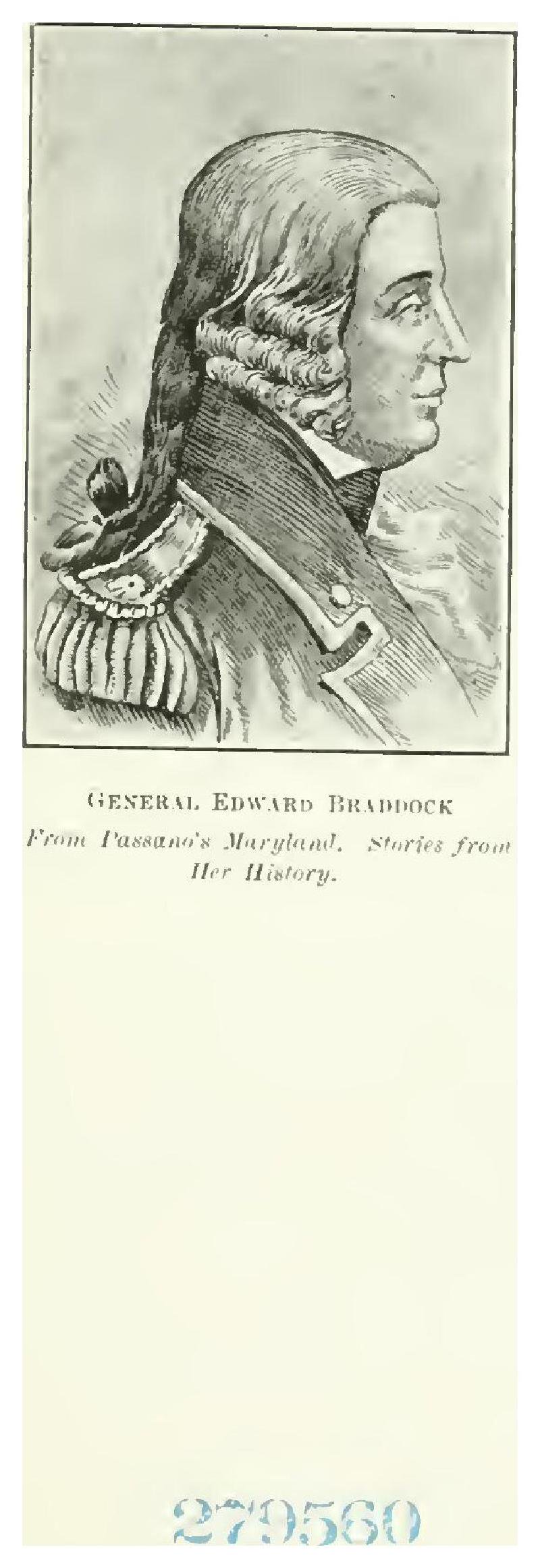
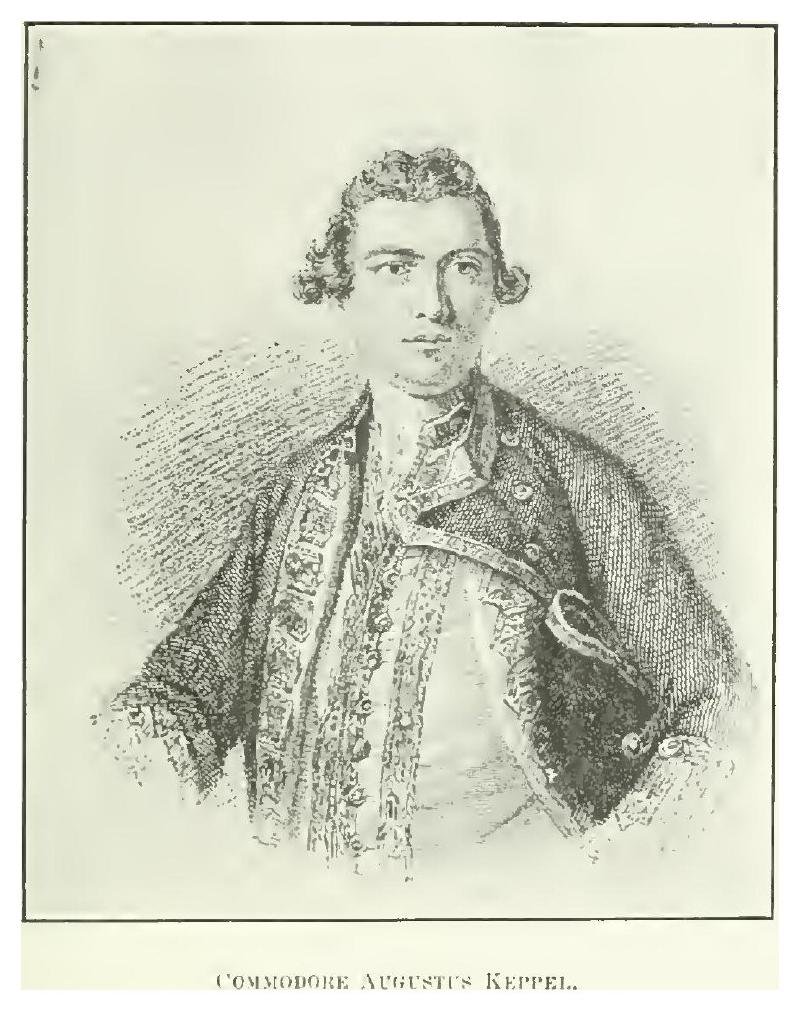
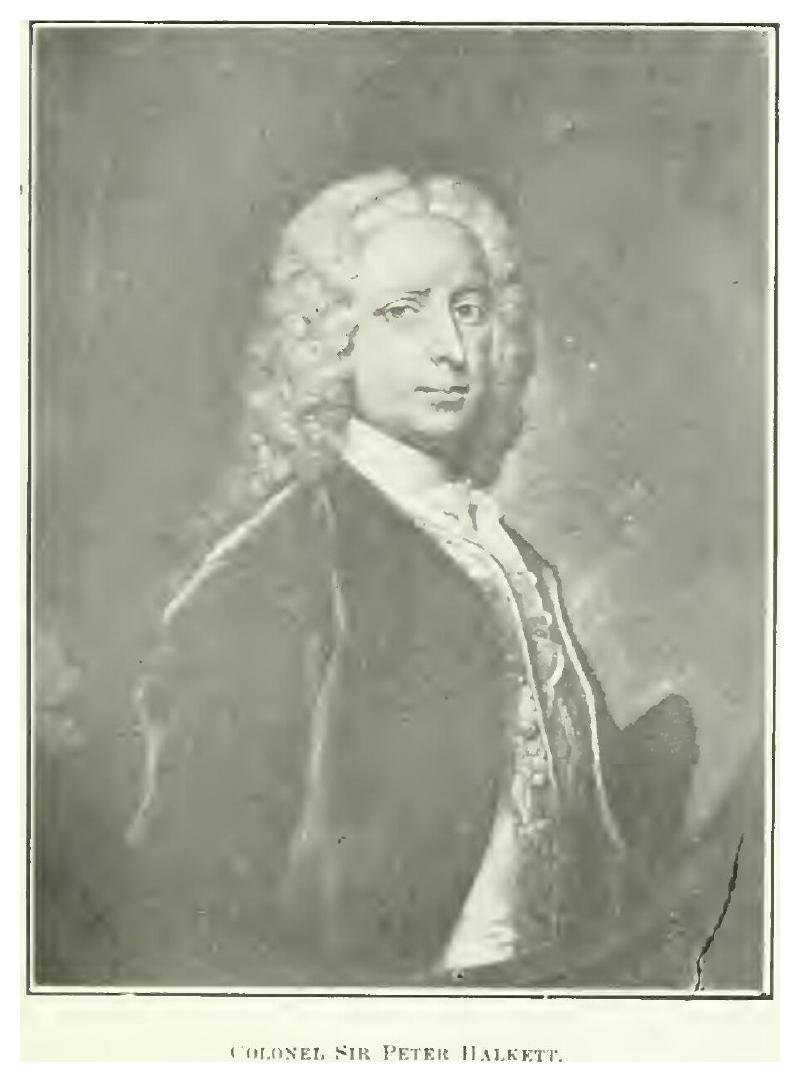
In March and April 1755, General Edward Braddock made the house his headquarters while meeting with the royal governors of Virginia, Maryland, Pennsylvania, New York, and Massachusetts to plan the opening campaign of the French and Indian War [3] Powell, History of Old Alexandria, 1928 Book . Present in the house that spring were Braddock and his aide-de-camp Captain Robert Orme; Commodore Augustus Keppel, commanding the squadron that brought Braddock from England; Col. Sir Peter Halkett of the 44th Regiment of Foot; Benjamin Franklin, who had ridden down from Philadelphia; Richard Henry Lee; and the young Col. Washington, who first met Braddock at Carlyle’s table [2] R. H. Spencer, "The Carlyle House" (W&M Quarterly, July 1909) Book .
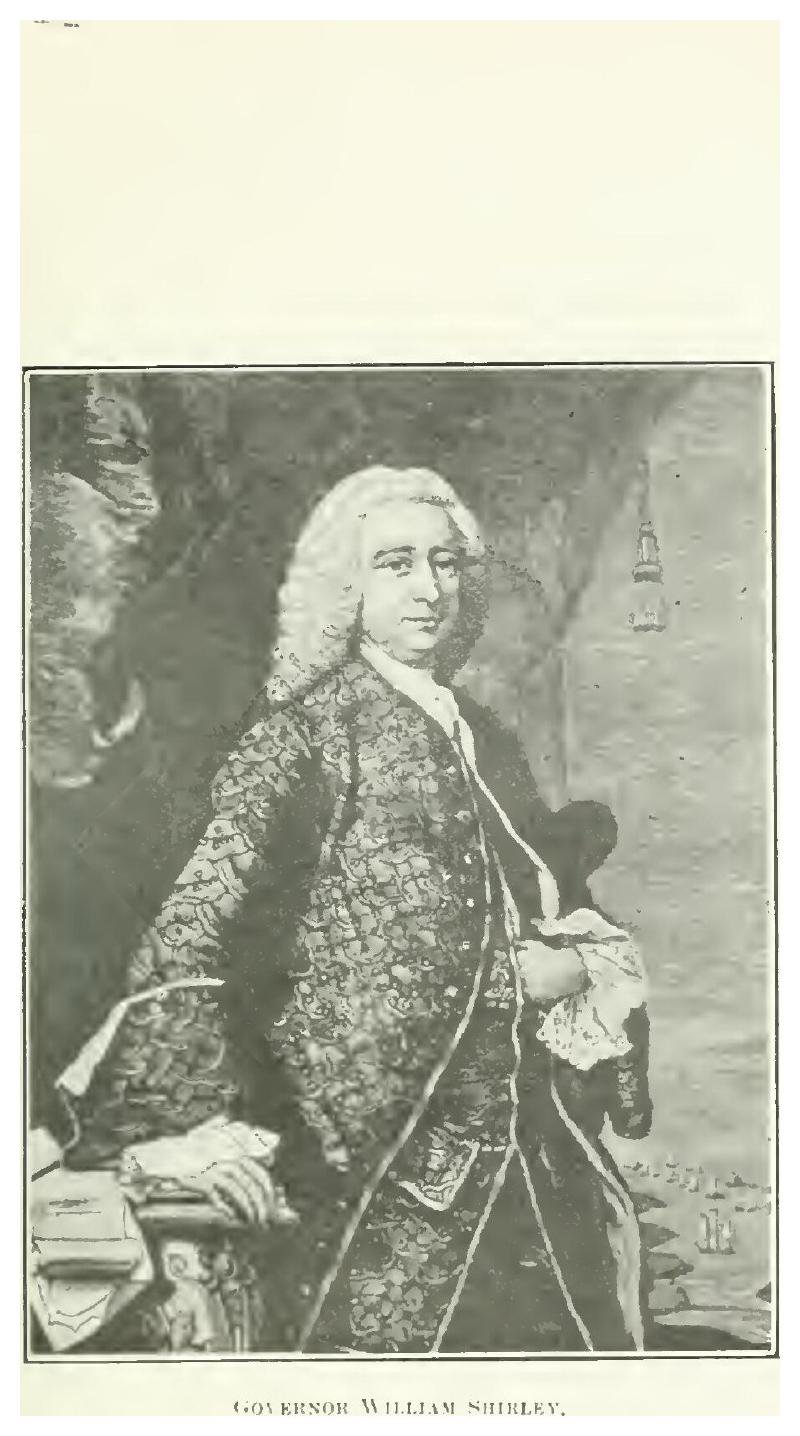
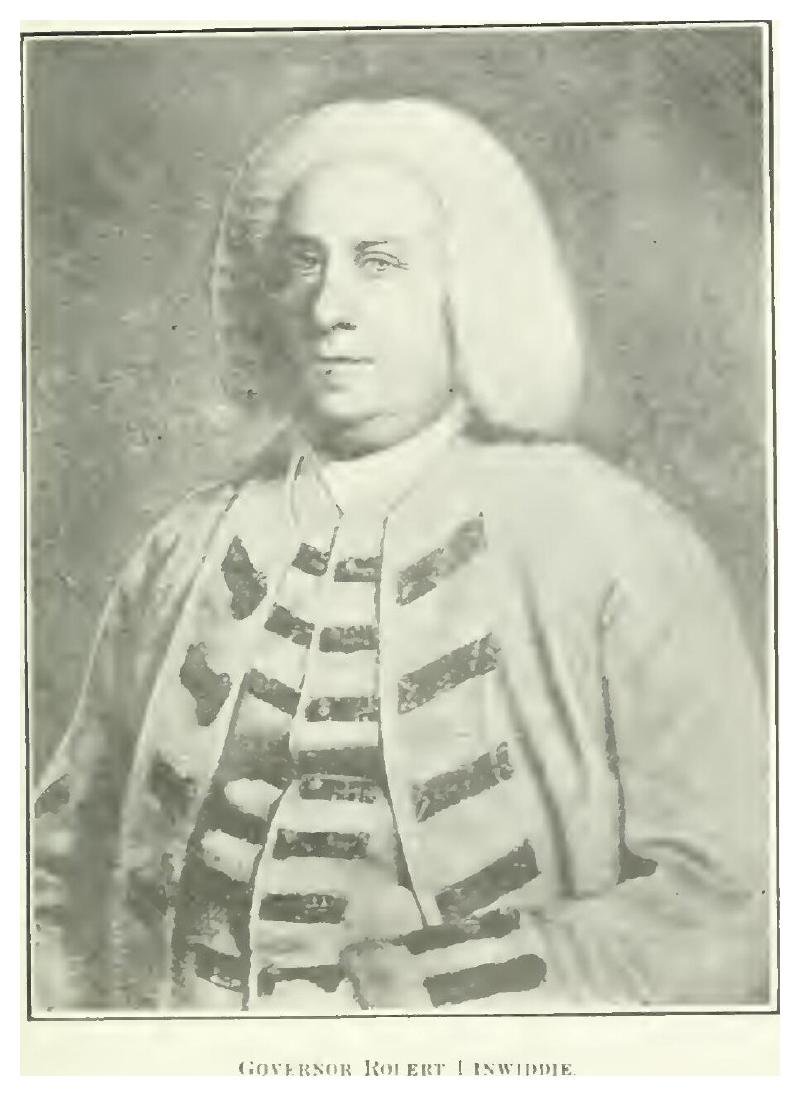
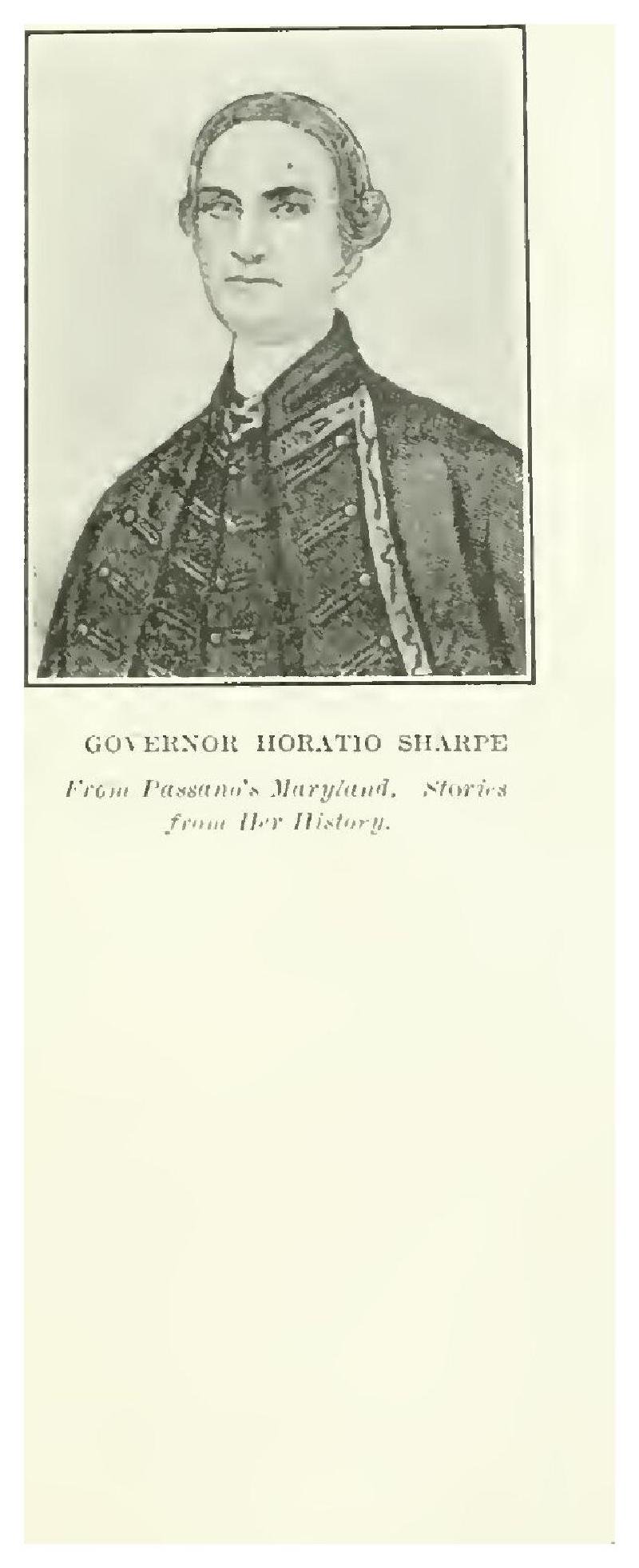
The five colonial governors met in formal Council in the first-floor parlor on April 14, 15, and 16, 1755 — Robert Dinwiddie of Virginia, William Shirley of Massachusetts, Horatio Sharpe of Maryland, James DeLancey of New York, and Robert Hunter Morris of Pennsylvania — to apportion colonial contributions to Braddock’s expedition. The Council concluded that “such a Fund can never be established in the Colonies without the aid of Parliament,” and asked the British ministry to find “some method of compelling them to do it.” This was the first British-officials-in-Council suggestion of taxing the colonies — a line that ended in the American Revolution [2] R. H. Spencer, "The Carlyle House" (W&M Quarterly, July 1909) Book .
The Braddock expedition itself ended in catastrophe at the Monongahela on 9 July 1755: Halkett killed, Braddock mortally wounded, the column routed.
Carlyle held enslaved persons in the household throughout his residence; surviving estate inventories list them by first name [4] HABS Alexandria survey Government record .
John Carlyle’s surviving correspondence includes a letter dated 28 June 1760 to his neighbour Col. George Washington at Mount Vernon, relating to quit-rents on the estate of Washington’s elder half-brother Lawrence; the original is endorsed in Washington’s hand “Colo Carlyle’s Lettr, 28th June 1760, relat’g to my dec’d Br. Law’s Estate” [2] R. H. Spencer, "The Carlyle House" (W&M Quarterly, July 1909) Book .
The building passed through a succession of owners after the Carlyle family sold it, was obscured by a Victorian-era hotel built around it in 1848, and was restored beginning in 1970 by the Northern Virginia Regional Park Authority. It is now operated as a house museum.
Timeline
8 chronological entries across 2 eras.
- –
Sarah Fairfax Carlyle, first wife of John Carlyle, lived at the Carlyle House from its 1753 completion until her death on 22 January 1761. [1] Source R. H. Spencer, "The Carlyle Family" (W&M Quarterly, January 1910)
- –
John Carlyle built the house and occupied it with his family and household until his death in 1780. [2] Source Miller, Artisans and Merchants, 1991 [3] Source Powell, History of Old Alexandria, 1928
- –
Carlyle ran his merchant counting-house from the Fairfax Street property. [2] Source Miller, Artisans and Merchants, 1991
Carlyle completes his stone mansion [2] Source Miller, Artisans and Merchants, 1991
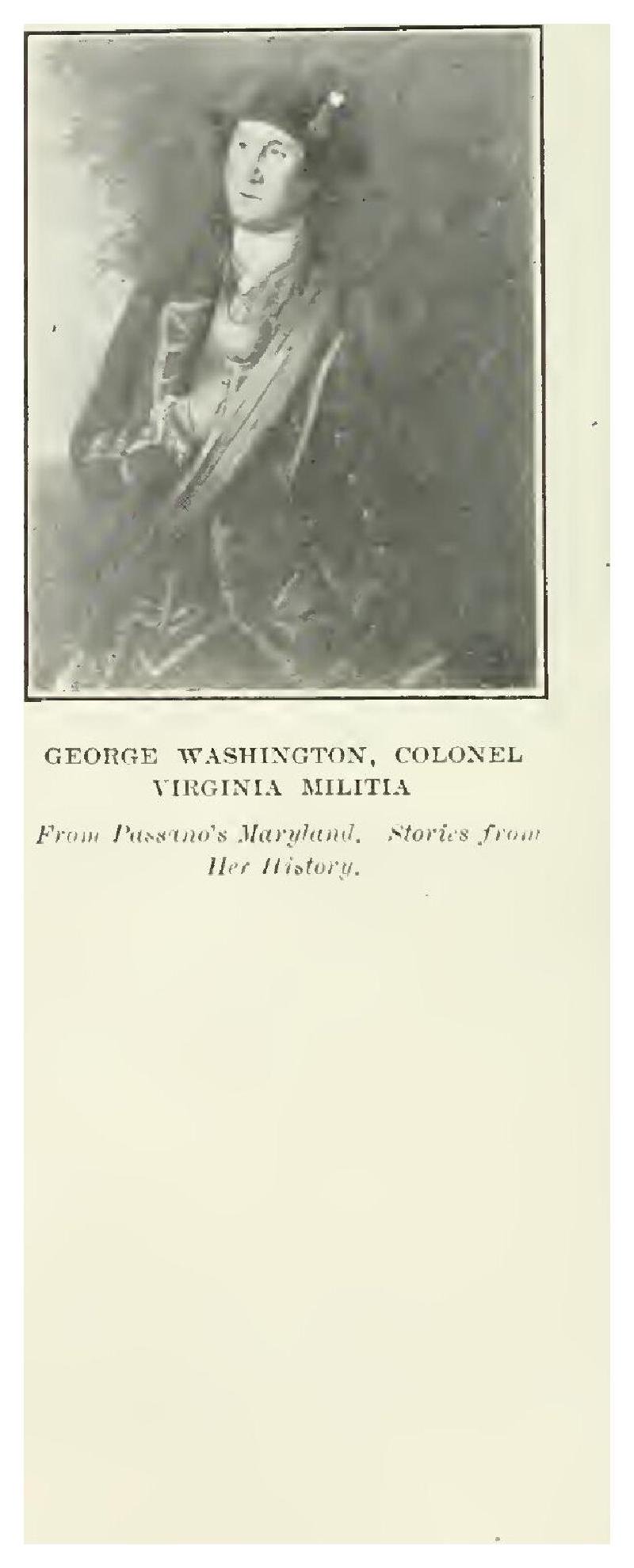
George Washington, then a colonel in the Virginia militia, called on Braddock at the house during the 1755 congress. [3] Source Powell, History of Old Alexandria, 1928
Braddock's Congress of the Governors [3] Source Powell, History of Old Alexandria, 1928 [4] Source R. H. Spencer, "The Carlyle House" (W&M Quarterly, July 1909)
- –
Anne Fairfax Carlyle, second surviving daughter of John Carlyle and Sarah Fairfax Carlyle, was born at the Carlyle House on 22 January 1761 and lived there until her 1777 marriage to Henry Whiting I of Gloucester County. [1] Source R. H. Spencer, "The Carlyle Family" (W&M Quarterly, January 1910)
Society of Colonial Wars boulder on Braddock's march route [4] Source R. H. Spencer, "The Carlyle House" (W&M Quarterly, July 1909)
The building
- Georgian
Gallery
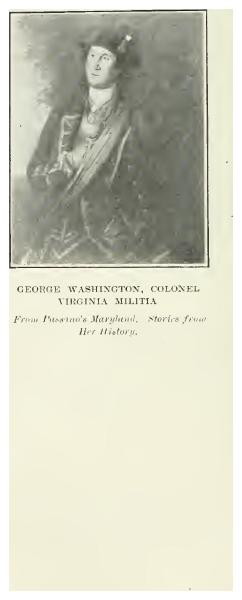
George Washington as Colonel of the Virginia Militia — Washington first met General Braddock at Carlyle House in spring 1755 and was a frequent guest of Col. Carlyle's thereafter. From Richard Henry Spencer, Carlyle Family and Descendants of John and Sarah (Fairfax) Carlyle (Richmond: Whittet & Shepperson, 1910). Public domain by age. 
Historical-style placeholder of Carlyle House, c. 1785. Seed placeholder — KingSt.com, 2026. To be replaced with archival photograph. 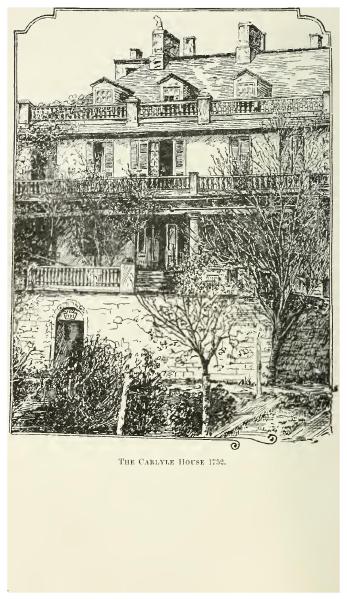
The Carlyle House, 1752 — pen-and-ink view from the river side, reproduced as the frontispiece of Spencer's Carlyle House and Its Associations (1909/1910). From Richard Henry Spencer, Carlyle Family and Descendants of John and Sarah (Fairfax) Carlyle (Richmond: Whittet & Shepperson, 1910). Public domain by age. 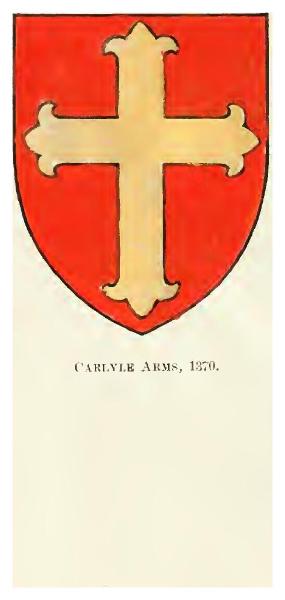
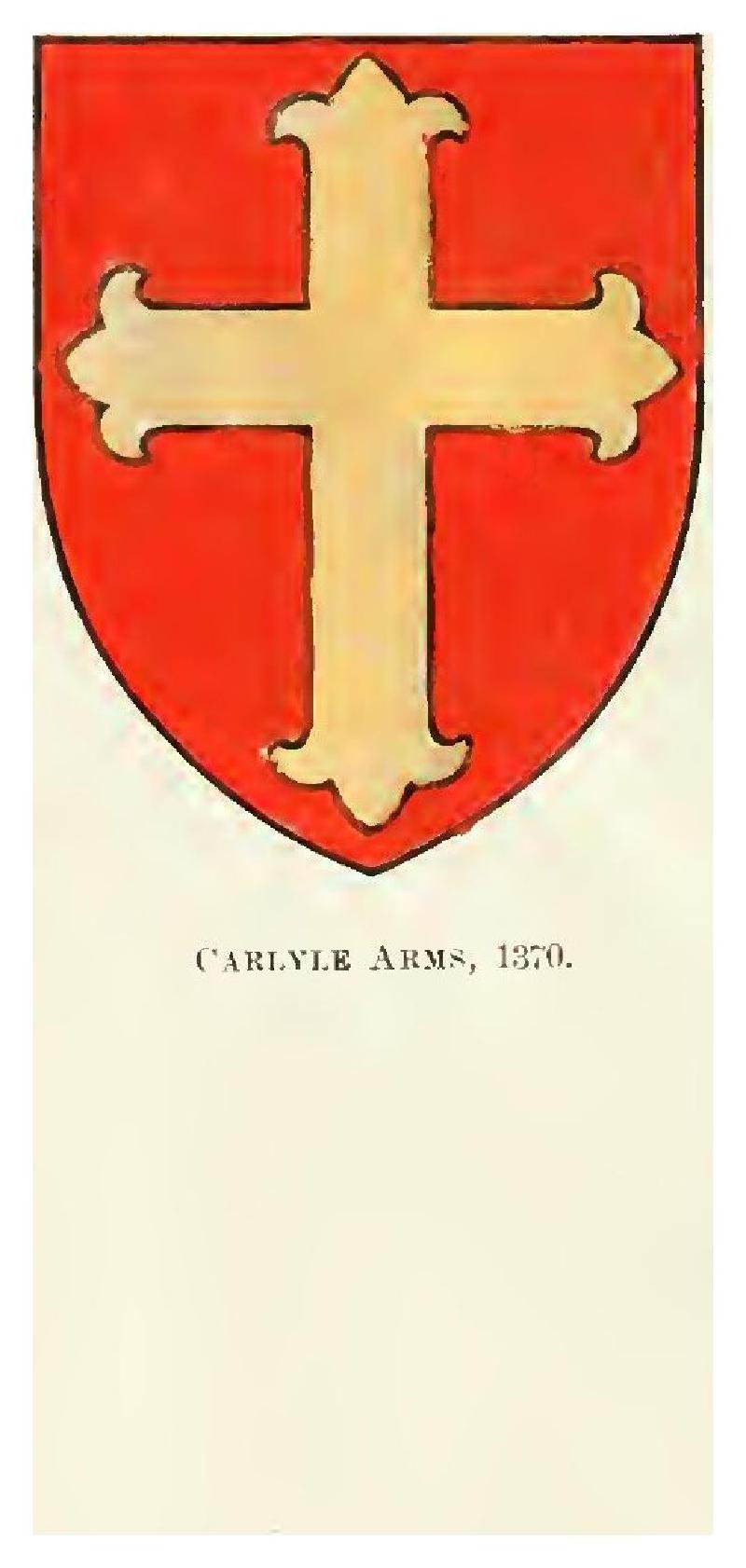
Carlyle family arms, 1370 — a gold cross fleury on a red shield, the heraldic device of the Lords Carlyle of Torthorwald in Dumfriesshire. From Richard Henry Spencer, Carlyle Family and Descendants of John and Sarah (Fairfax) Carlyle (Richmond: Whittet & Shepperson, 1910). Public domain by age. 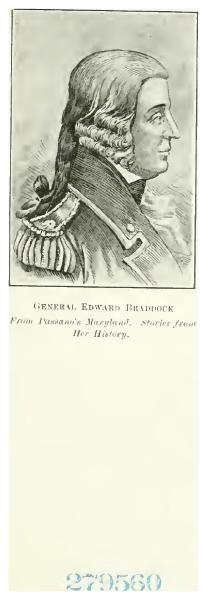
General Edward Braddock — Carlyle's guest at Carlyle House in March and April 1755 during the Congress of the Governors that planned the opening campaign of the French and Indian War. From Richard Henry Spencer, Carlyle Family and Descendants of John and Sarah (Fairfax) Carlyle (Richmond: Whittet & Shepperson, 1910). Public domain by age. 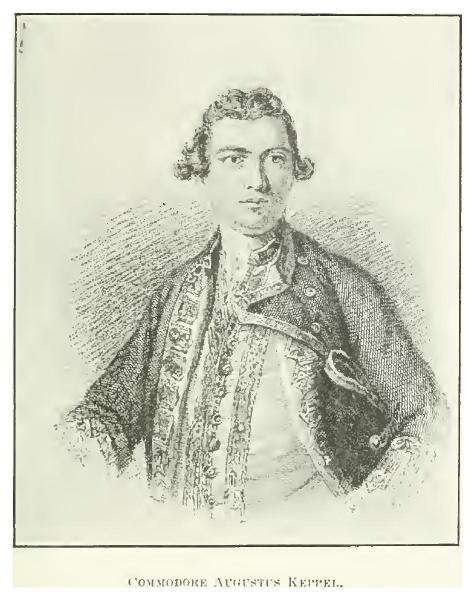
Commodore Augustus Keppel — second son of the 2nd Earl of Albemarle, commander of the squadron that brought Braddock to Alexandria in spring 1755. From Richard Henry Spencer, Carlyle Family and Descendants of John and Sarah (Fairfax) Carlyle (Richmond: Whittet & Shepperson, 1910). Public domain by age. 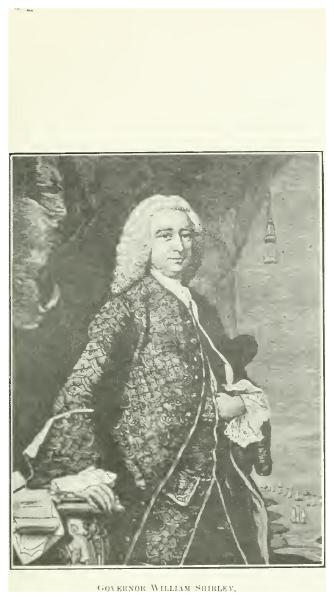
William Shirley, Governor of Massachusetts (1741-1756) — one of five colonial governors who met at Carlyle House in April 1755 in the Council that planned the French and Indian War campaign. From Richard Henry Spencer, Carlyle Family and Descendants of John and Sarah (Fairfax) Carlyle (Richmond: Whittet & Shepperson, 1910). Public domain by age. 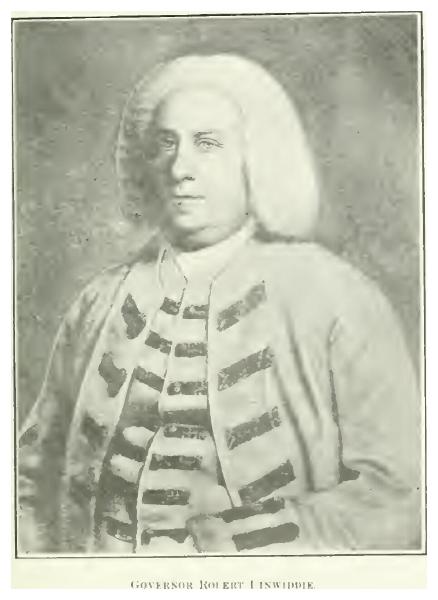
Robert Dinwiddie, Lieutenant Governor of Virginia (1751-1758) — host of the April 1755 Alexandria Council and the official who in January 1754 appointed John Carlyle Major and Commissary of the Virginia forces. From Richard Henry Spencer, Carlyle Family and Descendants of John and Sarah (Fairfax) Carlyle (Richmond: Whittet & Shepperson, 1910). Public domain by age. 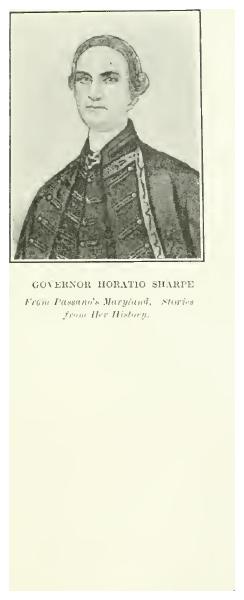
Horatio Sharpe, Proprietary Governor of Maryland (1753-1768) — fellow member of the April 1755 Alexandria Council. From Richard Henry Spencer, Carlyle Family and Descendants of John and Sarah (Fairfax) Carlyle (Richmond: Whittet & Shepperson, 1910). Public domain by age. 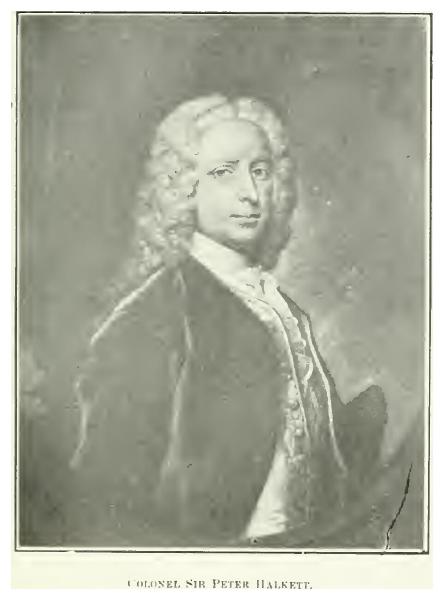
Col. Sir Peter Halkett, commander of the 44th Regiment of Foot — present at Carlyle House in spring 1755 as one of Braddock's senior officers; killed with his son James at the Battle of the Monongahela on 9 July 1755. From Richard Henry Spencer, Carlyle Family and Descendants of John and Sarah (Fairfax) Carlyle (Richmond: Whittet & Shepperson, 1910). Public domain by age. 
Placeholder illustration of Carlyle House. Seed placeholder — KingSt.com, 2026. To be replaced with archival photograph. 
Secondary placeholder view of Carlyle House. Seed placeholder — KingSt.com, 2026. To be replaced with archival photograph.
Connected
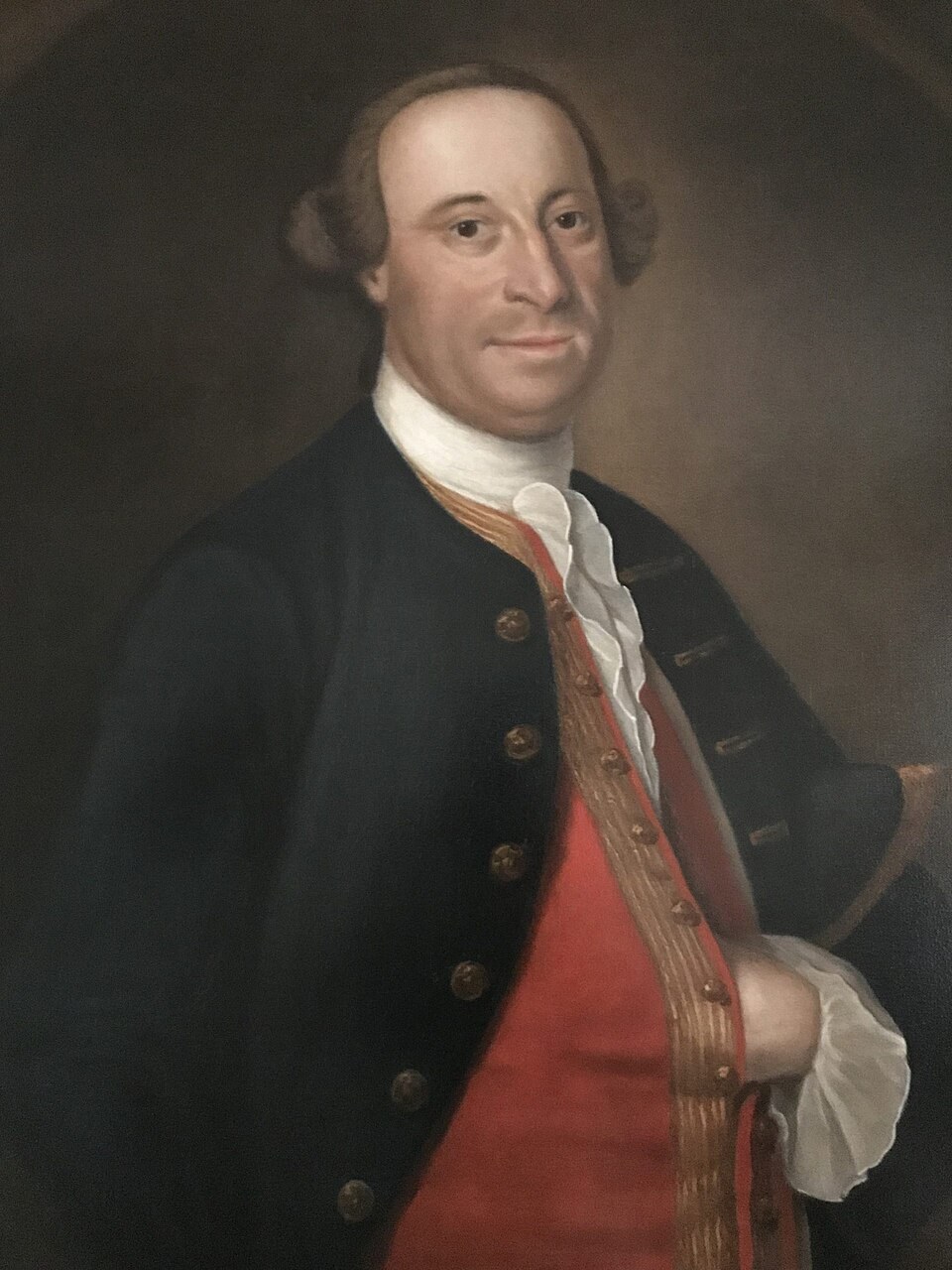
John Carlyle
b. 1720 · d. 1780
Scottish-descent merchant born in Carlisle, England, in 1720; one of the eleven founding trustees of Alexandria in 1749, and builder of the stone Carlyle House at the head of what …
Owner · Residence · %!d(float64=1753)–%!d(float64=1780)
Sarah Fairfax Carlyle
b. 1728 · d. 1761
Second daughter of of Belvoir; in 1748 married , anchoring the Carlyles into the Fairfax network. Her sister Anne Fairfax was the wife of Lawrence Washington of Mount Vernon …
Resident · Residence · %!d(float64=1753)–%!d(float64=1761)
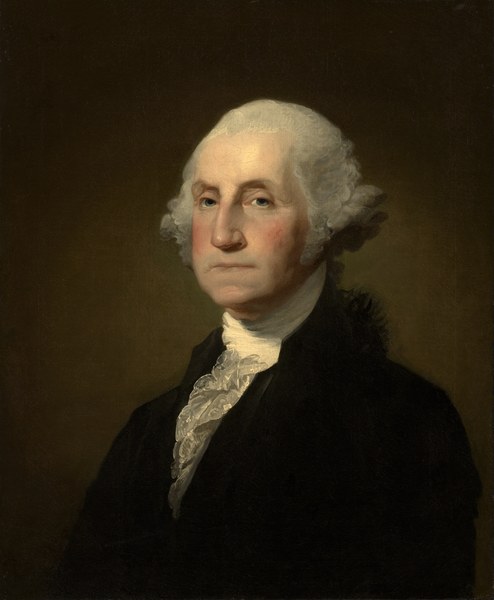
George Washington
b. 1732 · d. 1799
Planter, military commander, and first President of the United States. Master of Mount Vernon from 1761 until his death in 1799, and a regular presence in Alexandria, which he …
Visitor notable · Residence · %!d(float64=1755)–%!d(float64=1755)
Anne Fairfax Carlyle
b. 1761 · d. 1778
Second surviving daughter of and ; married of Gloucester County, Va., in 1777 and died at seventeen the day her only son was born.
Resident · Residence · %!d(float64=1761)–%!d(float64=1777)
Nearby in time
The c. 1741 manor house of on the southern Northern Neck proprietary tract — social anchor of the colonial Fairfax–Washington circle, where …
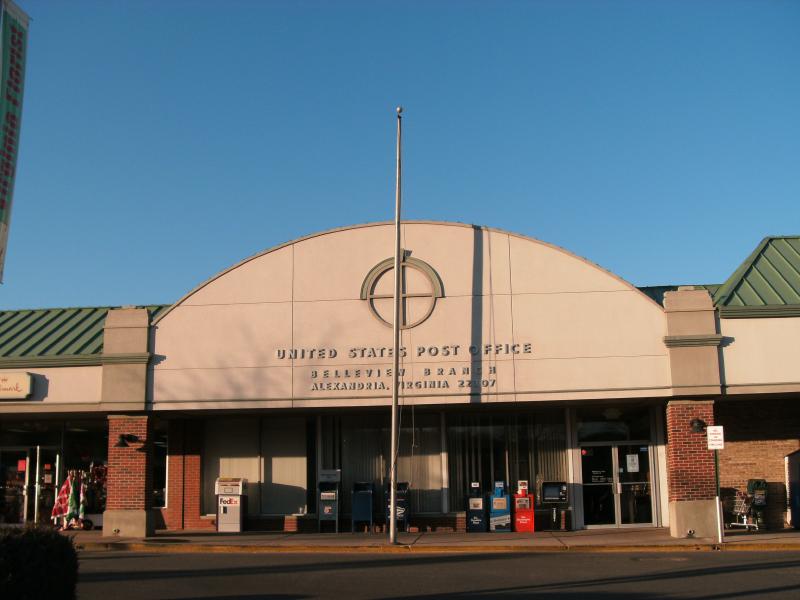
User:AlbertHerring · via Wikimedia Commons · CC BY 3.0 1500 Belle View Boulevard
Mid-century shopping center on the former River Farm tract, one of the five constituent farms of George Washington's Mount Vernon …
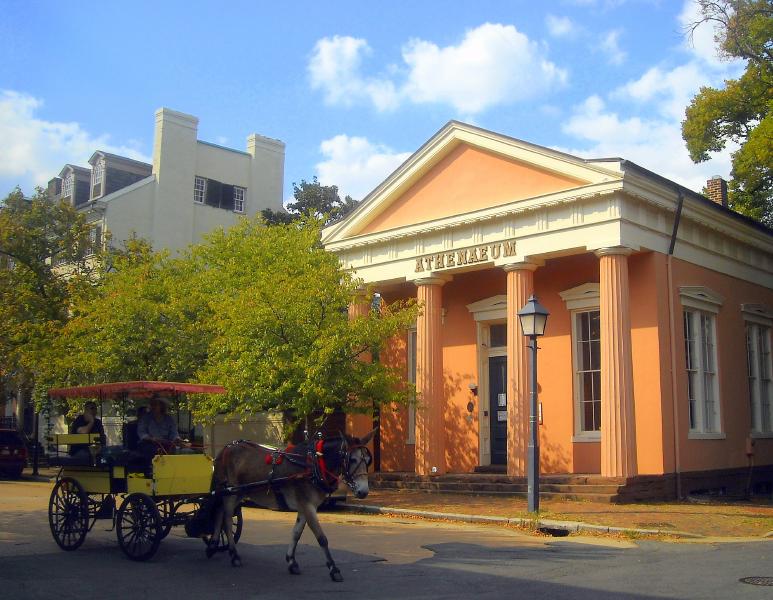
AgnosticPreachersKid at en.wikipedia · via Wikimedia Commons · CC BY-SA 3.0 Old and Historic Alexandria District, the colonial-through-antebellum core of the city, listed on the National Register in 1966.
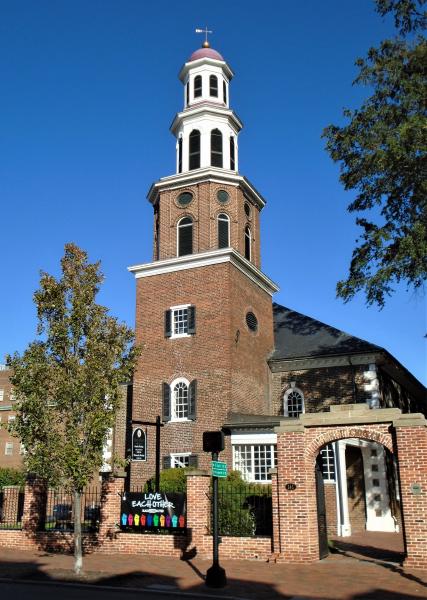
Beyond My Ken · via Wikimedia Commons · CC BY-SA 4.0 118 North Washington Street
Alexandria's Georgian-style Episcopal parish church, consecrated in 1773; pew owners included George Washington and, decades later, the Lee …
Nearby in space
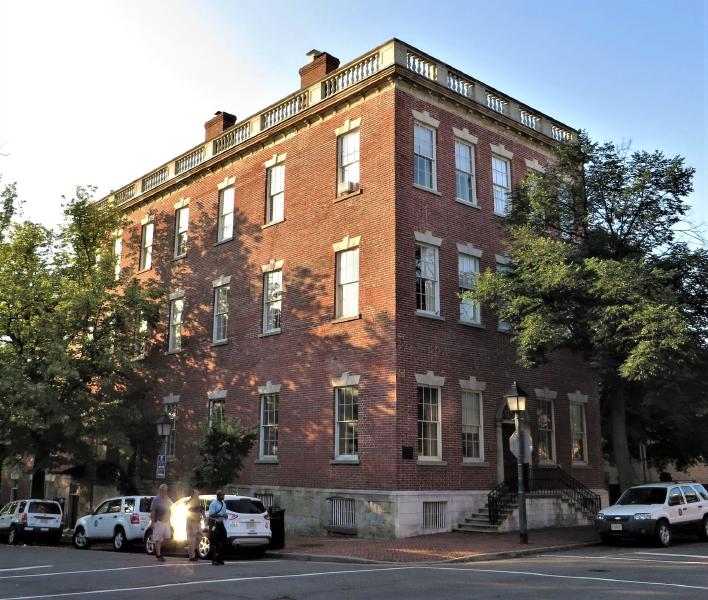
The 1807 Bank of Alexandria building at 133 N. Fairfax Street, Old Town Alexandria — the surviving Federal-style banking house after the late-1960s demolition of the Civil War-era hotel expansion. Photographed June 2014. Bank of Alexandria photographed by Ken Lund / Flickr, CC BY-SA 2.0 (2014) 133 North Fairfax Street
Federal-style 1807 banking house at the corner of North Fairfax and Cameron Streets — the surviving home of the Bank of Alexandria, …
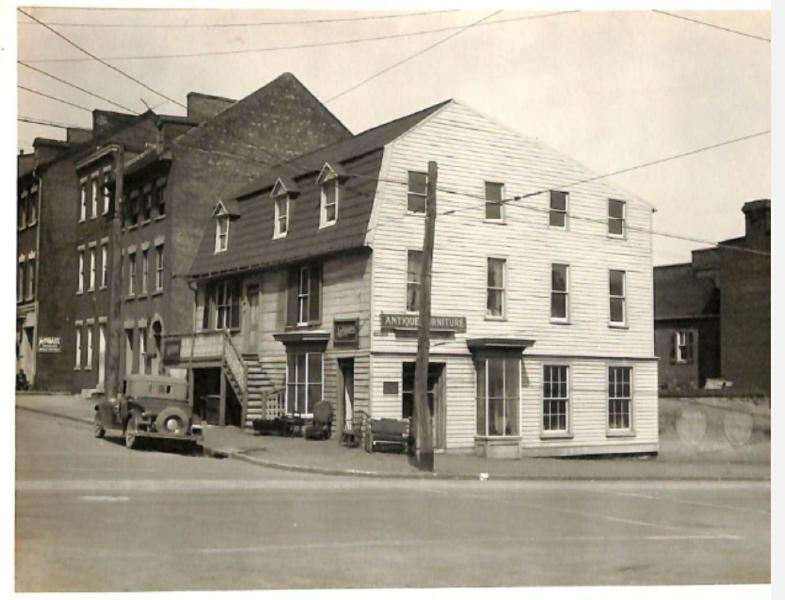
The Ramsay House operating as the Old Ramsay Tavern, c. 1940 — an actual King Street neighborhood bar two years before the 1942 fire that destroyed most of the historic fabric. The 1956 reconstruction you see today is a Williamsburg-styled recreation of this earlier building. "Old Ramsay Tavern," Alexandria, c. 1940 — From Days Gone By, City of Alexandria (fair use) 221 King Street
Small frame house at the northeast corner of King and Fairfax Streets, traditionally held to be the oldest extant house in Alexandria — …
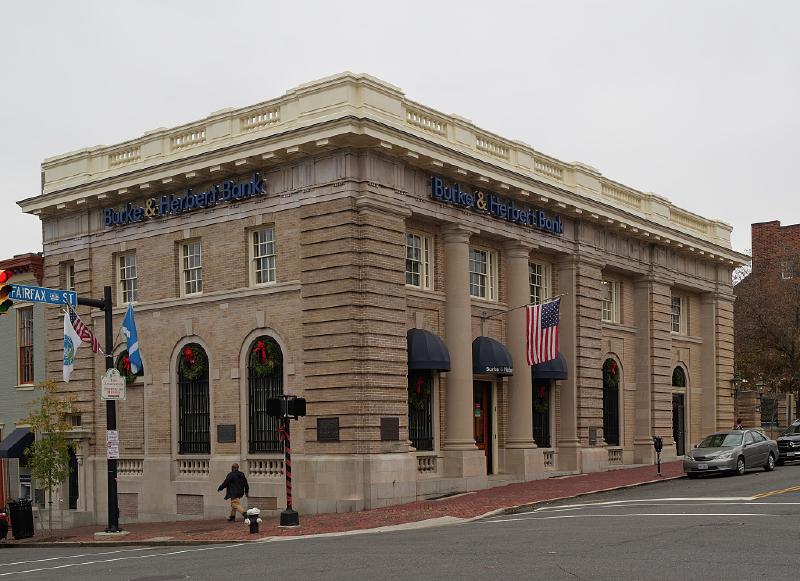
The Burke & Herbert Bank building in Alexandria, Virginia, a city immediately south of Washington, D.C., and once a larger, more thriving river port than the nation's capital city · Library of Congress, Prints & Photographs Division · http://www.loc.gov/item/2020724810/ 100 South Fairfax Street
The 1903 neoclassical home of at the corner of King and South Fairfax streets, the bank's sixth and final headquarters after a half-century …
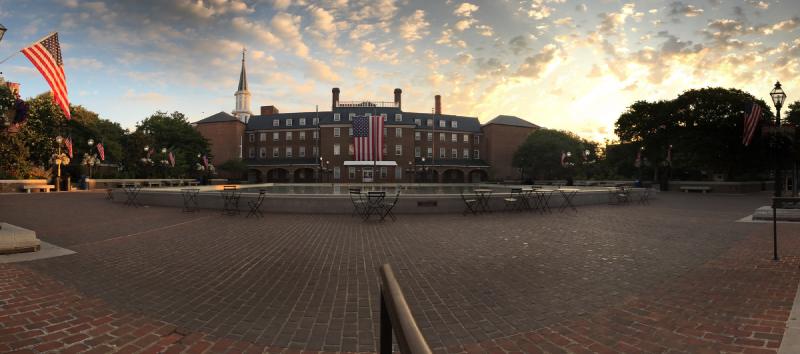
Market Square and Alexandria City Hall at sunrise, July 2017 — the brick plaza dressed for the Fourth of July with the American flag hung from the central facade. © KingSt.com, July 2017 301 King Street
Alexandria's seat of municipal government, market house, and — for most of the nineteenth century — the lodge hall and museum of , which …
Now
No current occupant on file. Are you, or someone you know, the present occupant? Claim this place to add operating hours, a current photo, and a short note.
Fairfax Street
Named for Thomas Fairfax, 6th Lord Fairfax of Cameron, c. 1749.
Interpretive signs nearby
The City of Alexandria has installed 12 historical interpretive signs within walking distance of this place. Each link below opens the sign's page on this site, with the full image and trail context.
121 N. Fairfax Street
100 block N. Lee Street at Cameron
221 King St
311 Cameron St
207 King St
Stabler-Leadbeater Apothecary Museum
218 King St
The Lynching of Benjamin Thomas
300 King St
132 King St
325 Cameron St
Restored Government of Virginia
125 N Royal St
Market Square
Sources
- 1.
T. Michael Miller, Artisans and Merchants of Alexandria, Virginia 1780-1820, Heritage Books, 1991.
Book
- 2.
Richard Henry Spencer, "The Carlyle House and its Associations — Braddock's Headquarters — Here the Colonial Governors met in Council, April, 1755," William and Mary College Quarterly Historical Magazine, Volume 18, No. 1 (July 1909), pp. 1-17. Companion to Spencer's 1910 Carlyle Family compilation; the foundational scholarly article on the Carlyle House and the 1755 Congress of Alexandria.
- 3.
Mary G. Powell, The History of Old Alexandria, Virginia, from July 13, 1749 to May 24, 1861, Richmond: William Byrd Press, 1928.
Book
- 4.
Historic American Buildings Survey, Alexandria, Virginia records, National Park Service / Library of Congress.
Government record
See something wrong?
Every correction is logged dated to this page. Family history, old photographs, or a citation we missed — everything goes into the file.