614
Oronoco Street
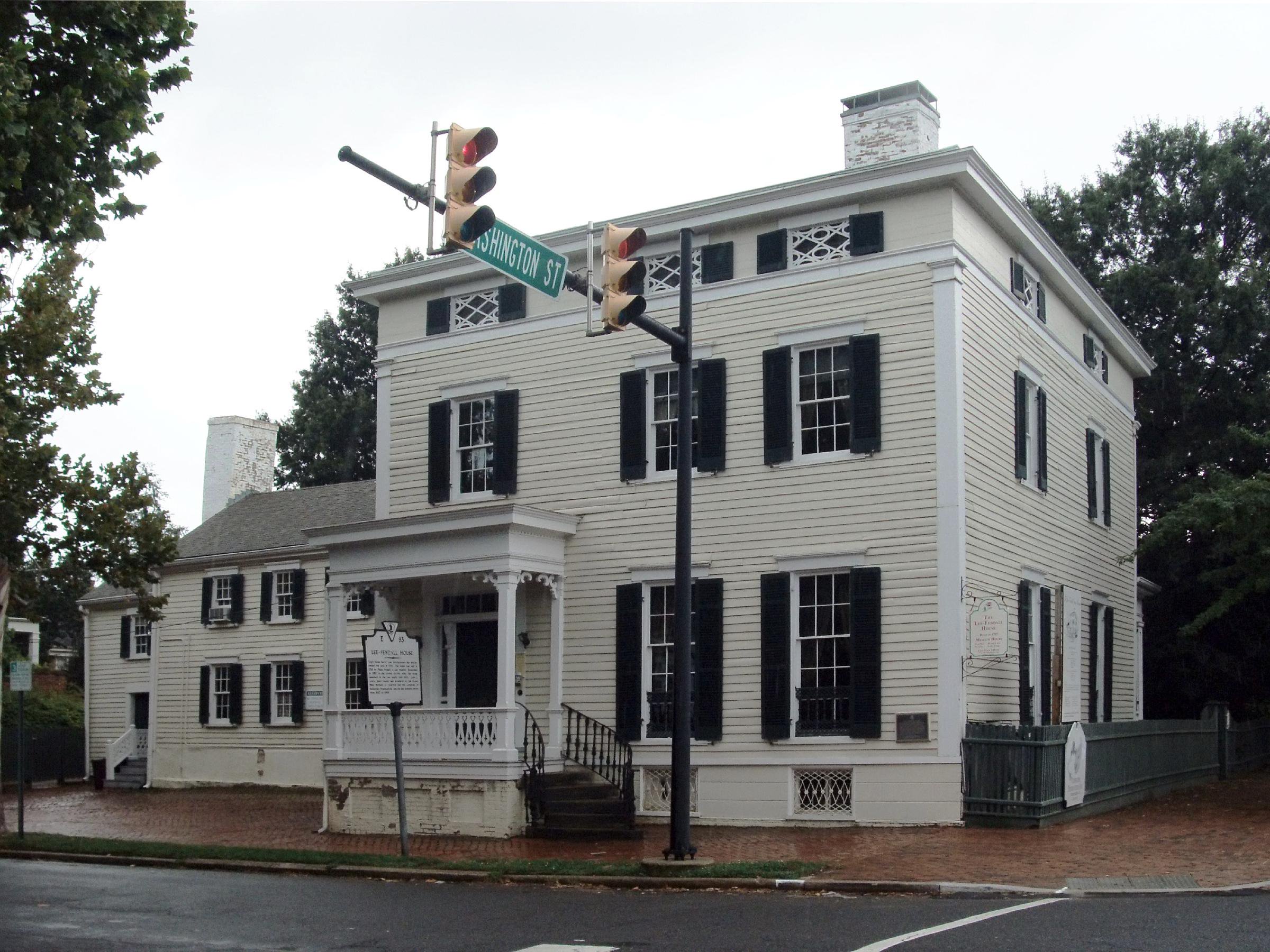
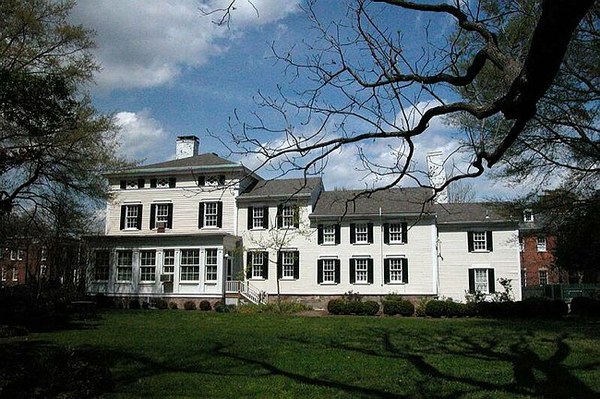
Federal-style house built in 1785 by Philip Richard Fendall on land acquired from the Lee family. Occupied by a rotating cast of Lee family members through the nineteenth century and, in the twentieth, by United Mine Workers president John L. Lewis.
- 1785
- Federal
- Extant
- National Register of Historic PlacesOld and Historic Alexandria District
Place narrative
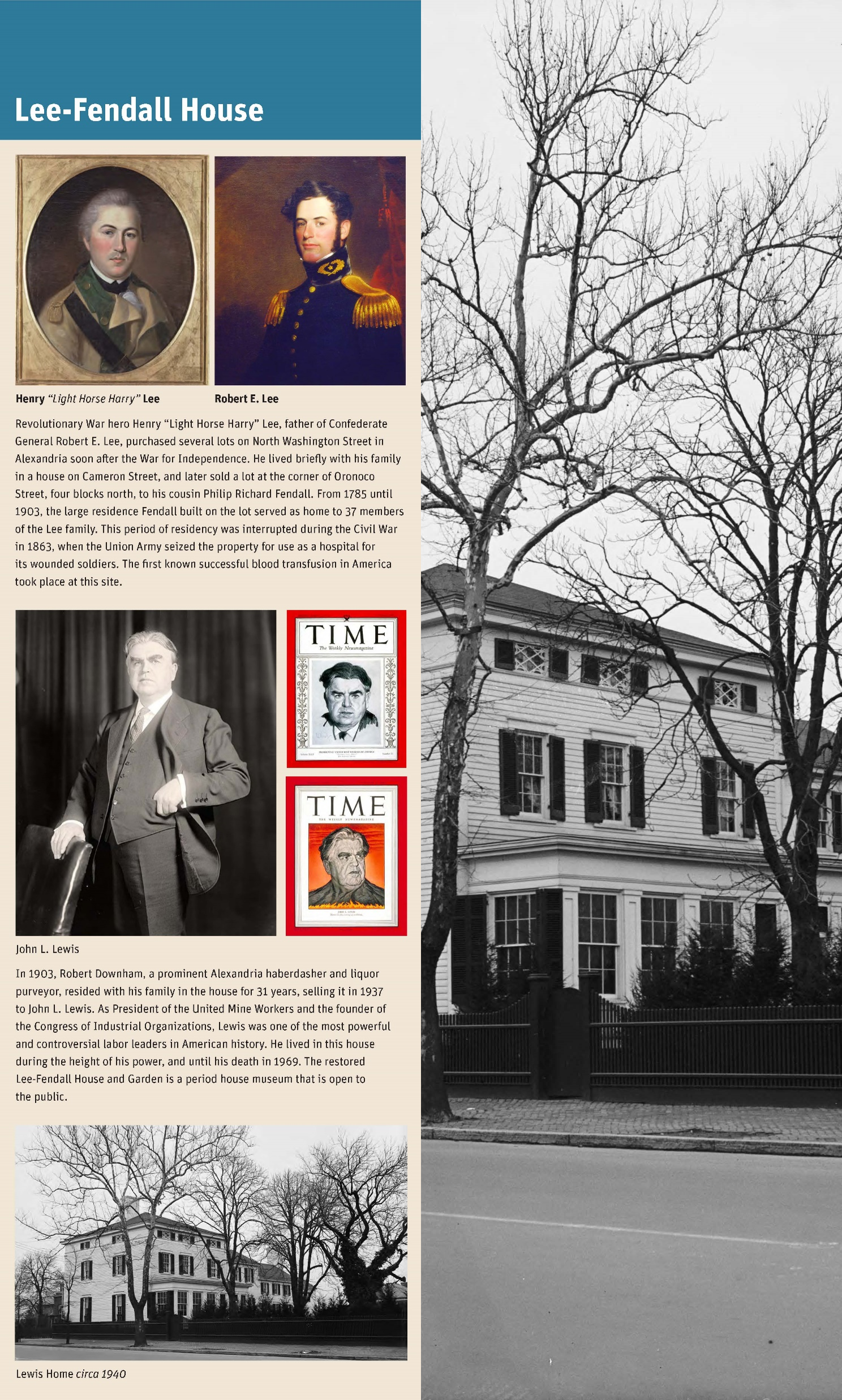
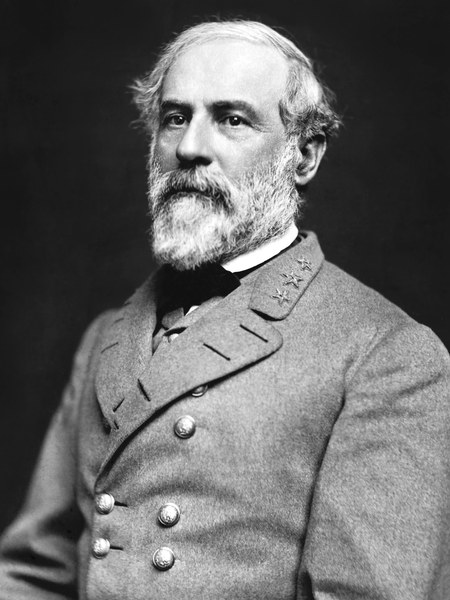
Philip Richard Fendall, a Maryland-born attorney who had married into the Lee family, built the house at 614 Oronoco Street in 1785 on a lot he acquired from Henry Lee III (“Light-Horse Harry”), the father of Robert E. Lee Robert E. Lee b. 1807 · d. 1870 United States Army officer who spent much of his childhood in Alexandria at the house on Oronoco Street before his West Point appointment, and who later commanded Confederate … [1] Powell, History of Old Alexandria, 1928 Book . The house sits catty-corner across Oronoco Street from the Boyhood Home of Robert E. Lee, and the two dwellings together anchored the Lee family’s Alexandria presence for four generations.
The house passed through a succession of Lee family occupants and tenants over the nineteenth century; at various periods it was home to Henry “Light-Horse Harry” Lee himself, to members of his extended family, and to boarders. During the Civil War, Union authorities requisitioned it briefly as a hospital [2] NARA Civil War records Government record . In 1937 the house was purchased by John L. Lewis, longtime president of the United Mine Workers of America, who lived there until his death in 1969 [3] Alexandria Library Special Collections Manuscript .
The house has been operated since 1974 by the Lee-Fendall House Museum. Its archives include period furniture, Lewis-era papers, and documentation of enslaved people held in the household during its antebellum years.
Timeline
8 chronological entries across 2 eras.
Henry "Light-Horse Harry" Lee owned the Oronoco Street lot and on 4 December 1784 sold it to his cousin Philip Richard Fendall for £300; Fendall built the present house there the next year. [1] Source Wikipedia, Lee–Fendall House [2] Source Wikipedia, Charles Lee (Attorney General)
- –
Philip Richard Fendall purchased the Oronoco Street lot from his cousin Henry Lee III on 4 December 1784 for £300 and built the Federal-style house there in 1785 for his second wife Elizabeth Steptoe Lee. [1] Source Wikipedia, Lee–Fendall House
- –
Fendall lived at 614 Oronoco Street from the house's 1785 completion until his death in 1805. [1] Source Wikipedia, Lee–Fendall House
Fendall builds the Oronoco Street house [3] Source HABS Alexandria survey
- –
Anne Carter Lee and her children were intermittent guests at the Fendall house, which stood a few doors from their rented home. [4] Source Powell, History of Old Alexandria, 1928
- –
Robert E. Lee visited relatives at the Fendall house during his boyhood in Alexandria. [4] Source Powell, History of Old Alexandria, 1928
- –
Edmund Jennings Lee acquired the Lee-Fendall House at auction in 1828 after the 1827 death of Fendall's third wife Mary Lee Fendall, and moved his family there in 1837. [1] Source Wikipedia, Lee–Fendall House [2] Source Wikipedia, Charles Lee (Attorney General)
Purchase by John L. Lewis [5] Source Alexandria Library Special Collections
The building
- Federal
Gallery
Placeholder illustration of Lee Fendall House. Seed placeholder — KingSt.com, 2026. To be replaced with archival photograph. 
Secondary placeholder view of Lee Fendall House. Seed placeholder — KingSt.com, 2026. To be replaced with archival photograph.
Connected
Henry "Light-Horse Harry" Lee III
b. 1756 · d. 1818
Continental Army cavalry officer, ninth governor of Virginia, and father of . Sold the Oronoco Street property in 1784 to his cousin that became the .
Owner · Residence · %!d(float64=1784)–%!d(float64=1784)
Philip Richard Fendall
b. 1734 · d. 1805
Builder of the (1785), secretary to George Washington's Potomac Company, and first president of the Bank of Alexandria. Twice a widower, his three marriages produced the dense …
Builder · Residence · %!d(float64=1784)–%!d(float64=1785)
Robert E. Lee
b. 1807 · d. 1870
United States Army officer who spent much of his childhood in Alexandria at the house on Oronoco Street before his West Point appointment, and who later commanded Confederate …
Visitor notable · Residence · %!d(float64=1812)–%!d(float64=1825)
Anne Carter Lee
b. 1773 · d. 1829
Mother of Robert E. Lee. After her husband's financial ruin and departure for the West Indies, she moved her children to rented quarters in Alexandria, where Robert spent his …
Visitor notable · Residence · %!d(float64=1812)–%!d(float64=1820)
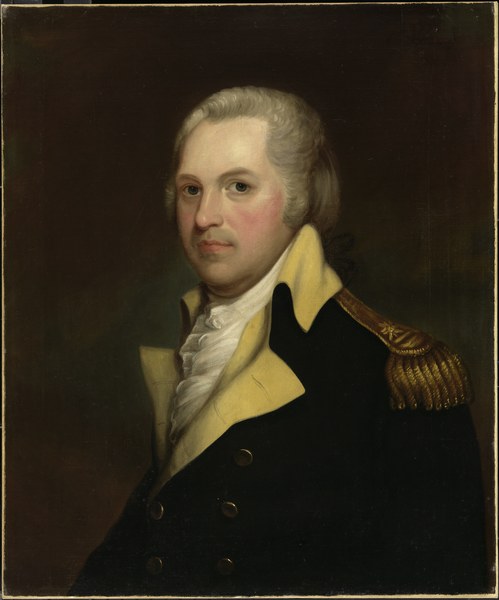
Edmund Jennings Lee
b. 1772 · d. 1843
Mayor of Alexandria (1815-1818), lawyer, and youngest brother of and . Lived from 1801 in his house at 428 North Washington Street, then bought at auction in 1828.
Owner · Residence · %!d(float64=1828)–%!d(float64=1843)
Nearby in time
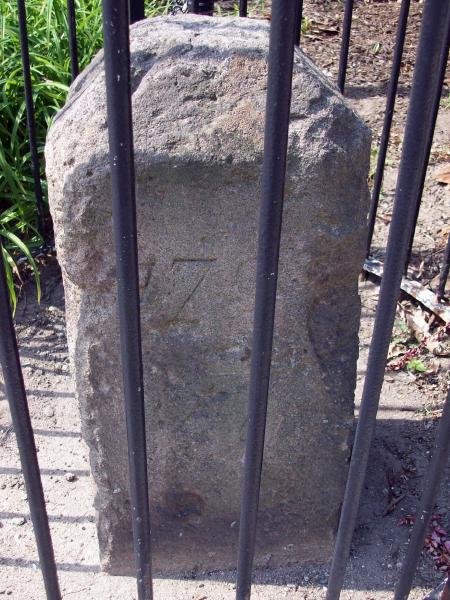
Bruce Andersen from Washington, DC · via Wikimedia Commons · CC BY-SA 2.0 7 Russell Road
Second of the original DC southwestern boundary stones, placed 1791-1792. NRHP-listed 1991.
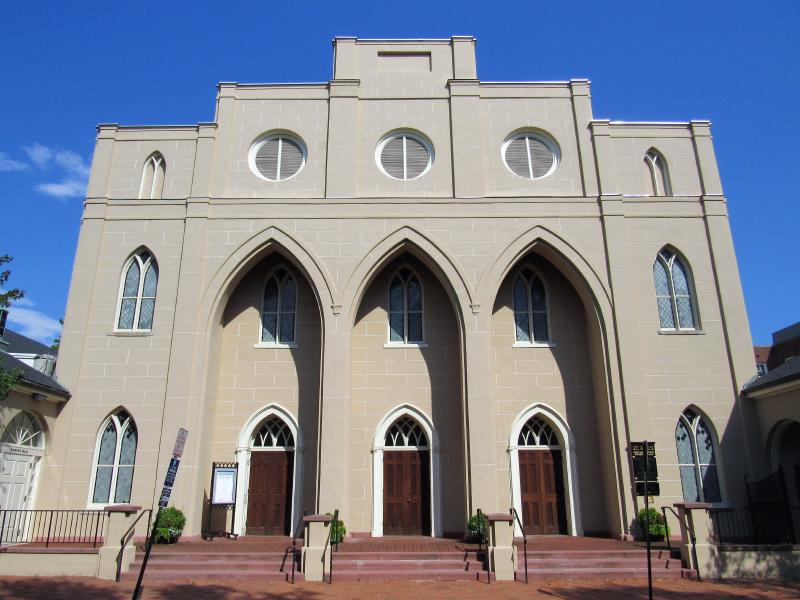
Farragutful · via Wikimedia Commons · CC BY-SA 4.0 228 South Pitt Street
Federal-Greek Revival 1817 sanctuary, the second oldest Episcopal congregation in Alexandria after Christ Church. NRHP-listed 1985.
Bruce Andersen from Washington, DC · via Wikimedia Commons · CC BY-SA 2.0 1220 Wilkes Street
Sandstone boundary marker placed 1791 to mark the southwest corner of the original District of Columbia diamond. NRHP-listed 1991.
404 South Royal Street 404 South Royal Street
Mid-19th-century residence of George Lewis Seaton, a free Black master carpenter who served in the Virginia House of Delegates during …
Nearby in space
609 Oronoco Street 609 Oronoco Street
Federal-style brick house at 609 Oronoco Street where Quaker educator ran a boys' classical school from 1824. received his pre–West Point …
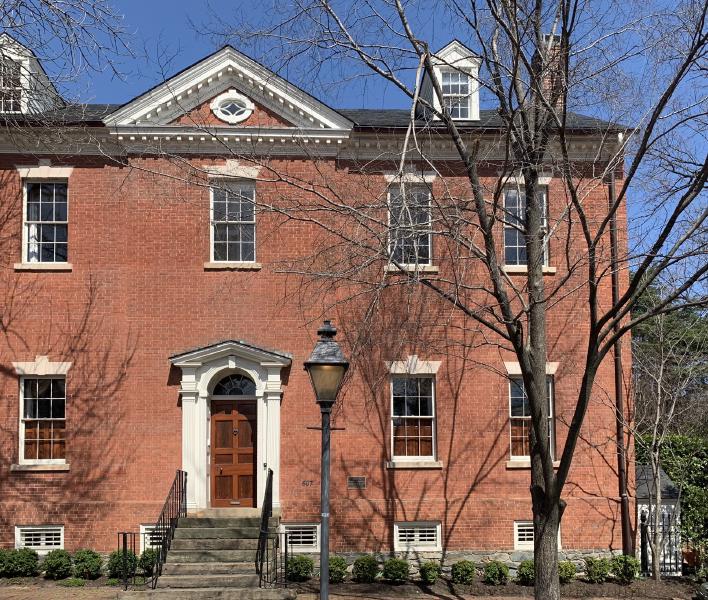
APK · via Wikimedia Commons · CC BY-SA 4.0 607 Oronoco Street
Federal-era house at 607 Oronoco Street rented by Anne Carter Lee from about 1812; principal childhood residence of her son Robert E. Lee …
Placeholder illustration of Alexandria Library 1939. Seed placeholder — KingSt.com, 2026. To be replaced with archival photograph. 717 Queen Street
Alexandria's first free public library, opened on Queen Street in 1937, and site of a sit-in on August 21, 1939 that is among the earliest …
![Old Loyd [i.e. Lloyd] House, Alexandria, Va.](/images/gtdju7ejdnwoq7p/old_loyd_i_e_lloyd_house_alexandria_va_2rutnb54Yg._hu_952f28a739427277.jpg)
Old Loyd [i.e. Lloyd] House, Alexandria, Va. · Library of Congress, Prints & Photographs Division · http://www.loc.gov/item/2016803285/ 220 North Washington Street
Late-Georgian 1797 townhouse at the corner of North Washington and Queen built by merchant John Wise. Charles Lee, U.S. Attorney General and …
Now
No current occupant on file. Are you, or someone you know, the present occupant? Claim this place to add operating hours, a current photo, and a short note.
Oronoco Street
Named for Oronoco — a sweet variety of tobacco grown around the Chesapeake, c. 1749.
Interpretive signs nearby
The City of Alexandria has installed 6 historical interpretive signs within walking distance of this place. Each link below opens the sign's page on this site, with the full image and trail context.
614 Oronoco St
Washington-Rochambeau Route -- Alexandria Encampment
609 Oronoco St
607 Oronoco St
414 N Washington
515 N Washington St
City Jail: A Site of Racial Terror in Alexandria: Lynching of Benjamin Thomas, 1899
401 N. St. Asaph
Sources
- 1.
Mary G. Powell, The History of Old Alexandria, Virginia, from July 13, 1749 to May 24, 1861, Richmond: William Byrd Press, 1928.
Book
- 2.
National Archives and Records Administration, Union Provost Marshal records and Civil War-era military correspondence (RG 109, RG 110, RG 393).
Government record
- 3.
Alexandria Library, Local History/Special Collections, Barrett Branch, Alexandria, Virginia.
Manuscript
See something wrong?
Every correction is logged dated to this page. Family history, old photographs, or a citation we missed — everything goes into the file.