
3200
Mount Vernon Memorial Highway
Five-farm plantation on the Potomac owned by George Washington from 1761 until his death in 1799; home to Washington, his family, and more than three hundred enslaved people. Operated since 1858 as a house museum by the Mount Vernon Ladies’ Association.
- 1735approx
- Georgian / Palladian
- Extant
- National Historic LandmarkNational Register of Historic Places
Place narrative
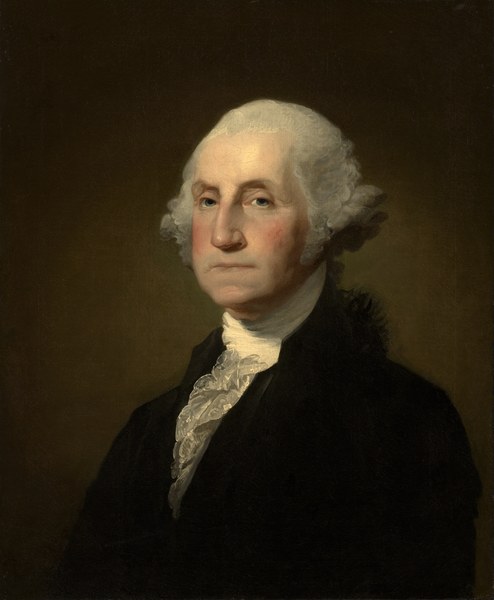
The Mount Vernon estate occupies high ground above the Potomac River roughly fifteen miles south of Alexandria. The core of the present mansion was built by Augustine Washington around 1735 and expanded dramatically by George Washington George Washington b. 1732 · d. 1799 Planter, military commander, and first President of the United States. Master of Mount Vernon from 1761 until his death in 1799, and a regular presence in Alexandria, which he … after he inherited the estate from his half-brother Lawrence’s widow in 1761 [1] Powell, History of Old Alexandria, 1928 Book . Over four decades Washington grew Mount Vernon from a modest tobacco plantation into a five-farm, roughly eight-thousand-acre operation that experimented with wheat-and-fisheries agriculture, a distillery, and a gristmill.
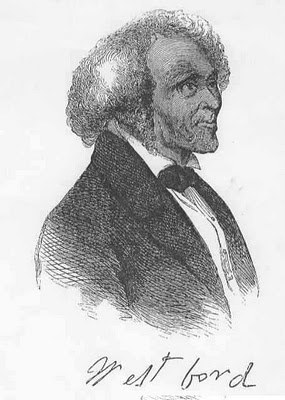
The plantation was worked by enslaved people throughout Washington’s ownership. Population records and Washington’s own correspondence document more than three hundred enslaved people resident at Mount Vernon by the end of his life [2] Miller, Artisans and Merchants, 1991 Book . Washington’s 1799 will directed that the enslaved people he owned outright be manumitted at the death of his widow Martha; Martha Washington Martha Washington b. 1731 · d. 1802 Mistress of from her 1759 marriage to until her death in 1802, and first First Lady of the United States. Through her dower Custis estate she brought into the Washington … executed the manumission early, in 1801. The dower enslaved people — held by the Custis estate and not within Washington’s legal authority to free — remained in bondage. West Ford West Ford b. 1784 · d. 1863 Man born enslaved on the estate of Bushrod Washington and later freed; a longtime manager at Mount Vernon whose descendants maintain an oral tradition of descent from the … , born enslaved in the extended Washington family and later manumitted under Bushrod Washington’s will, lived and worked at the estate for most of his life.
Bushrod Washington inherited the estate in 1800. A succession of Washington family owners held Mount Vernon into the mid-nineteenth century; the property fell into disrepair and was offered for sale. The Mount Vernon Ladies’ Association of the Union, organized by Ann Pamela Cunningham in 1853, purchased the mansion and 200 surrounding acres in 1858 and has operated the estate as a private non-profit historic site ever since [3] LOC Prints & Photographs Photograph . Ongoing archaeological and interpretive work at the site has progressively centered the lives of the enslaved people who made Washington’s plantation possible, including through the reconstruction of the slave quarters and the development of the slave memorial dedicated in 1983.
Timeline
11 chronological entries across 3 eras.
- –
Martha Washington was mistress of Mount Vernon from her 1759 marriage to George Washington until her death there on 22 May 1802. [1] Source Mount Vernon Ladies' Association archive
- –
George Washington owned and expanded Mount Vernon from 1761 until his death in 1799. [2] Source Powell, History of Old Alexandria, 1928 [3] Source Miller, Artisans and Merchants, 1991
- –
More than three hundred enslaved people worked the five farms of Mount Vernon during Washington's ownership; surviving slave census records preserve many of their names. [3] Source Miller, Artisans and Merchants, 1991 [2] Source Powell, History of Old Alexandria, 1928
Washington inherits Mount Vernon [2] Source Powell, History of Old Alexandria, 1928
- –
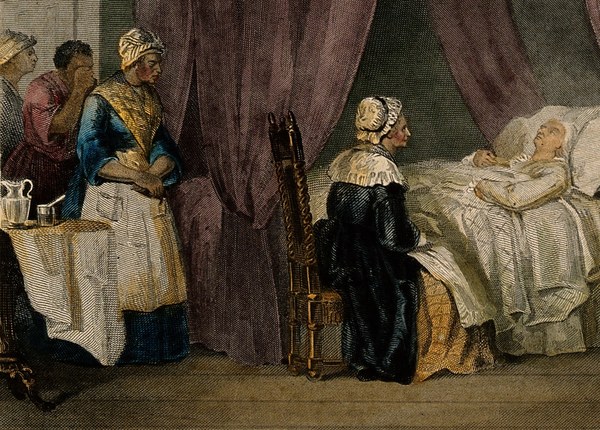
Caroline Branham served as Martha Washington's enslaved chambermaid at Mount Vernon and was an eyewitness in George Washington's bedchamber during his final illness on 14 December 1799. [1] Source Mount Vernon Ladies' Association archive [4] Source Tobias Lear, "Journal Account of Washington's Death" (1799)
- –
After his father John Parke Custis died at Yorktown in 1781, G. W. P. Custis was raised at Mount Vernon by George and Martha Washington as one of their step-grandchildren. [1] Source Mount Vernon Ladies' Association archive
Death of George Washington [2] Source Powell, History of Old Alexandria, 1928
- –
West Ford was held by Bushrod Washington at Mount Vernon until his manumission under Bushrod's will. [3] Source Miller, Artisans and Merchants, 1991
- –
After manumission, Ford continued to live and work at or near Mount Vernon for decades. [3] Source Miller, Artisans and Merchants, 1991
The building
- Georgian / Palladian
Gallery
Historical-style placeholder of Mount Vernon Estate, c. 1785. Seed placeholder — KingSt.com, 2026. To be replaced with archival photograph. 
Placeholder illustration of Mount Vernon Estate. Seed placeholder — KingSt.com, 2026. To be replaced with archival photograph. 
Secondary placeholder view of Mount Vernon Estate. Seed placeholder — KingSt.com, 2026. To be replaced with archival photograph.
Connected
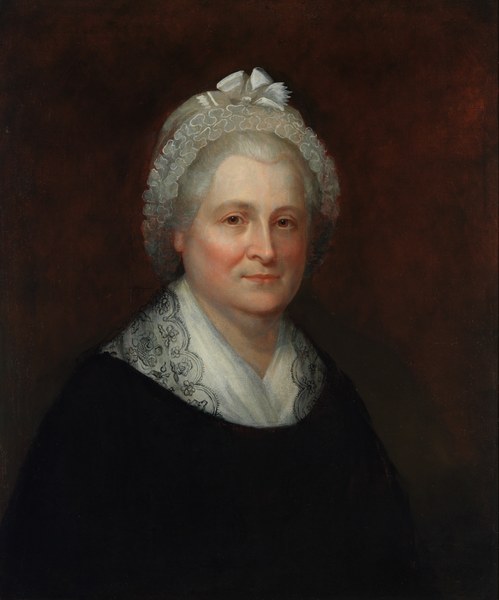
Martha Washington
b. 1731 · d. 1802
Mistress of from her 1759 marriage to until her death in 1802, and first First Lady of the United States. Through her dower Custis estate she brought into the Washington …
Resident · Plantation · %!d(float64=1759)–%!d(float64=1802)
George Washington
b. 1732 · d. 1799
Planter, military commander, and first President of the United States. Master of Mount Vernon from 1761 until his death in 1799, and a regular presence in Alexandria, which he …
Owner · Plantation · %!d(float64=1761)–%!d(float64=1799)
Freedmen of the Contrabands Camp
founded 1861
Collective entity representing the several thousand formerly enslaved people who fled to Union-occupied Alexandria during the Civil War, settling in camps at Shuter's Hill, around …
Enslaved person · Plantation · %!d(float64=1761)–%!d(float64=1799)
Caroline Branham
b. 1764 · d. 1843
Enslaved chambermaid to at ; one of the small group of enslaved attendants present at the bedside of during his final illness on 14 December 1799. As a Custis "dower" enslaved …
Enslaved person · Plantation · %!d(float64=1775)–%!d(float64=1802)
G. W. P. Custis
b. 1781 · d. 1857
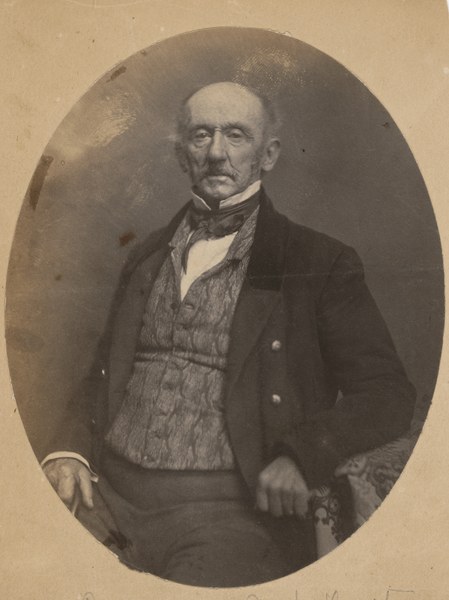
Step-grandson of , raised at Mount Vernon, builder of Arlington House, and father-in-law of .
Resident · Plantation · %!d(float64=1781)–%!d(float64=1799)
West Ford
b. 1784 · d. 1863
Man born enslaved on the estate of Bushrod Washington and later freed; a longtime manager at Mount Vernon whose descendants maintain an oral tradition of descent from the …
Enslaved person · Plantation · %!d(float64=1802)–%!d(float64=1829)
G. W. Custis Lee
b. 1832 · d. 1913
Eldest son of and ; Confederate major general; later president of Washington and Lee University succeeding his father.
Visitor notable · Plantation · %!d(float64=1832)–%!d(float64=1832)
Nearby in time
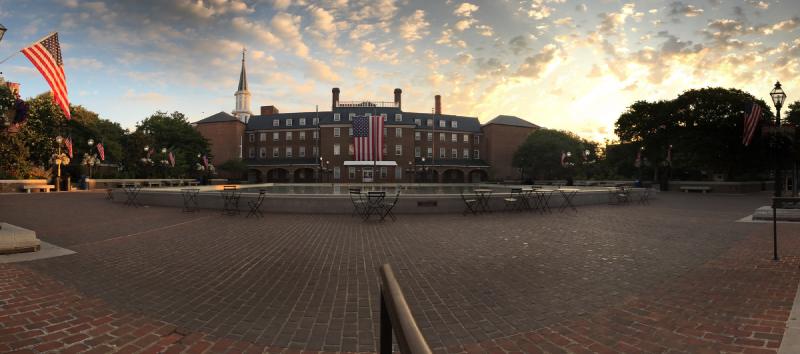
Market Square and Alexandria City Hall at sunrise, July 2017 — the brick plaza dressed for the Fourth of July with the American flag hung from the central facade. © KingSt.com, July 2017 301 King Street
Alexandria's seat of municipal government, market house, and — for most of the nineteenth century — the lodge hall and museum of , which …
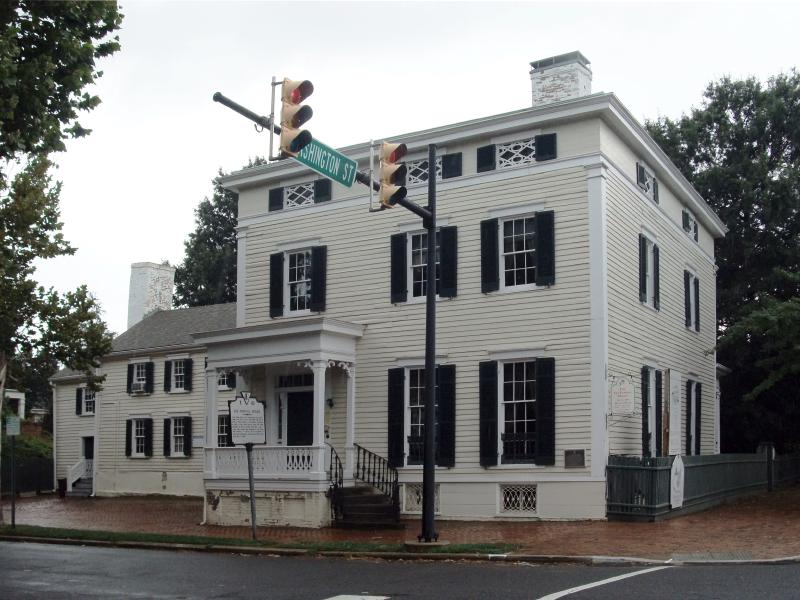
The original uploader was Ser Amantio di Nicolao at English Wikipedia . · via Wikimedia Commons · CC BY 3.0 614 Oronoco Street
Federal-style house built in 1785 by Philip Richard Fendall on land acquired from the Lee family. Occupied by a rotating cast of Lee family …
Market Square at sunrise, July 2017 — the city's eighteenth-century public square in its weekday-morning calm, framed by City Hall and the Fourth-of-July flags hung along the lamp posts. © KingSt.com, July 2017 301 King Street
Public square at 301 King Street fronting Alexandria City Hall — site of an open-air farmers market continuously operated since 1753, the …
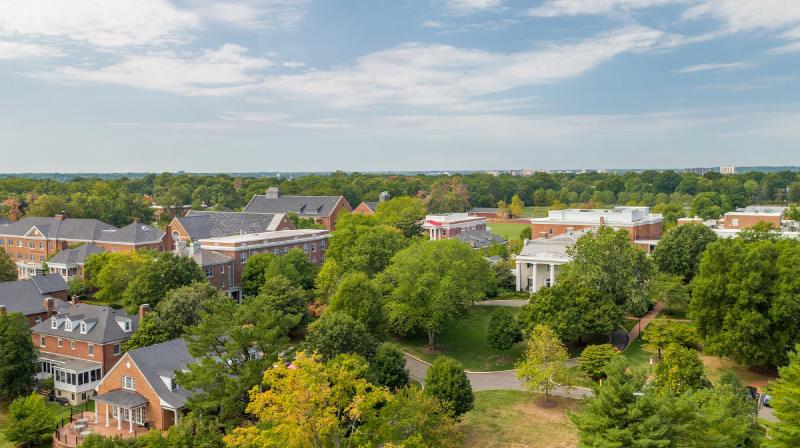
Episcopal High School's 100-acre campus from above, September 2019 — Hoxton House (white columns, right) anchors the south end; the Collegiate Gothic academic buildings ring the central quad. Aerial view of Episcopal High School, by Penguino2020 / Wikimedia Commons, CC BY-SA 4.0 (2019) 1200 North Quaker Lane
The first high school in Virginia, founded 1839 by Bishop William Meade of the Episcopal Diocese on a 100-acre campus west of Old Town. …
Nearby in space
9000 Richmond Highway 9000 Richmond Highway
Federal-style brick mansion built 1800–1805 by and on a 2,000-acre tract carved from the Mount Vernon estate as their wedding gift from .
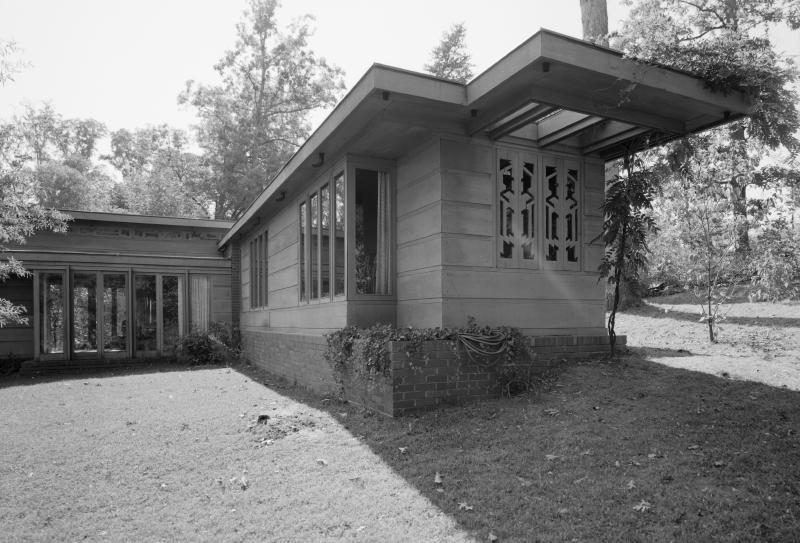
Unknown author Unknown author · via Wikimedia Commons · Public domain 9000 Richmond Highway
Usonian house built in 1940 for journalist Loren Pope; relocated to the parcel in 1964 to escape Interstate 66 construction at its …
Richmond Highway Richmond Highway
~8,656-acre U.S. Army installation along Richmond Highway in Fairfax County, established 1917 as Camp A.A. Humphreys, renamed Fort Humphreys …
The c. 1741 manor house of on the southern Northern Neck proprietary tract — social anchor of the colonial Fairfax–Washington circle, where …
Now
No current occupant on file. Are you, or someone you know, the present occupant? Claim this place to add operating hours, a current photo, and a short note.
Mount Vernon Avenue
Named for George Washington's Mount Vernon estate to the south, c. 1894.
Sources
- 1.
Mary G. Powell, The History of Old Alexandria, Virginia, from July 13, 1749 to May 24, 1861, Richmond: William Byrd Press, 1928.
Book
- 2.
T. Michael Miller, Artisans and Merchants of Alexandria, Virginia 1780-1820, Heritage Books, 1991.
Book
- 3.
Library of Congress, Prints & Photographs Online Catalog (Washington: Library of Congress).
Photograph
See something wrong?
Every correction is logged dated to this page. Family history, old photographs, or a citation we missed — everything goes into the file.