
300
North West Street
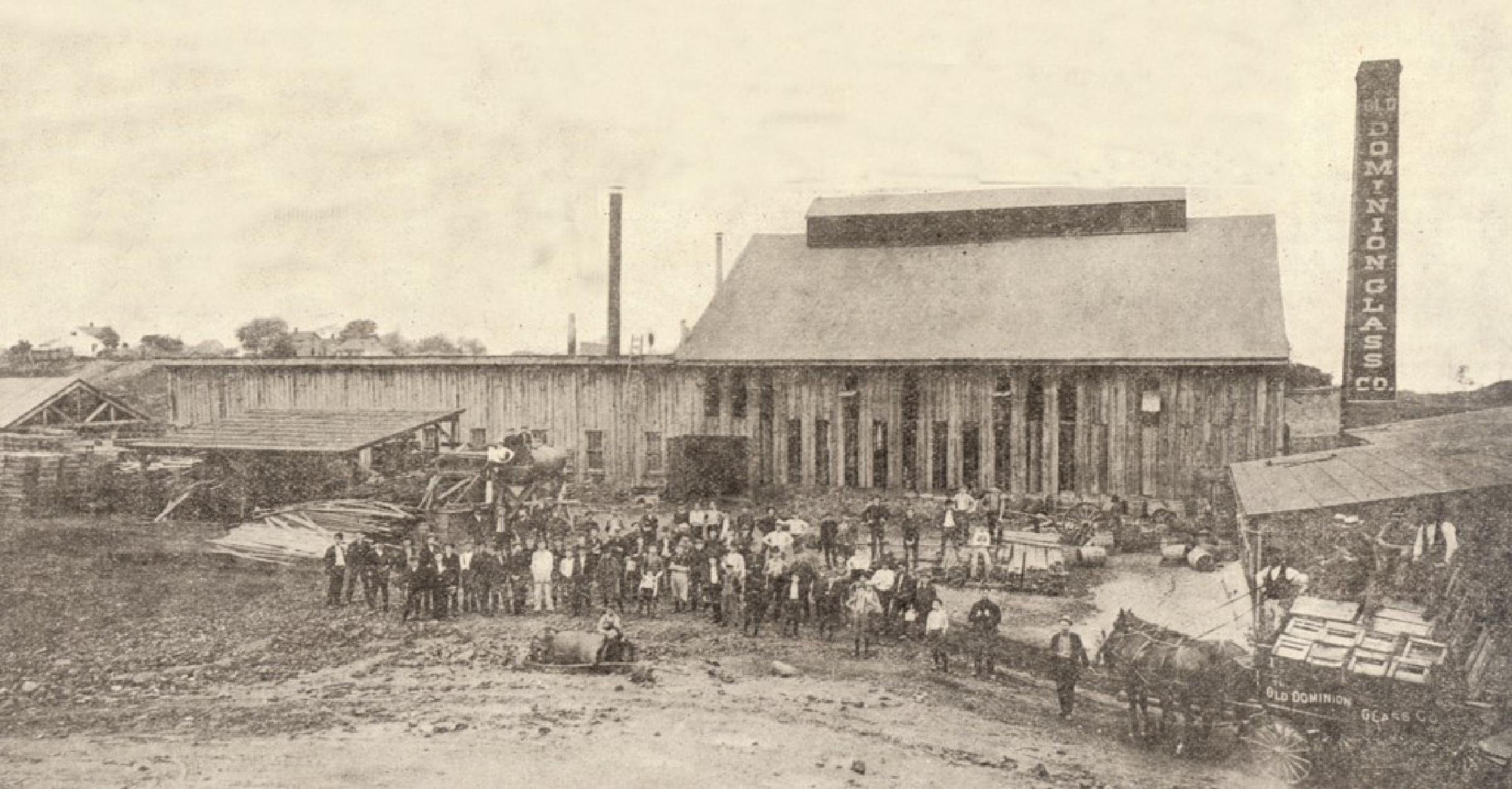
Glass bottle and jar works that operated in west-end Alexandria from the 1890s until the Depression, employing hundreds of workers including children before Virginia’s child-labor reforms.
- 1894approx
- Industrial
- Demolished demolished 1932
Place narrative
The Old Dominion Glass Company operated a factory along the west end of the Orange & Alexandria Railroad corridor from about 1894 until the early 1930s. The plant produced bottles and canning jars for the mid-Atlantic market and at its peak employed several hundred workers [1] Alexandria Library Special Collections Manuscript .
Period photographs by Lewis Hine, taken for the National Child Labor Committee during his 1911 survey of Virginia glass factories, document the employment of boys as young as ten at the Alexandria plant [2] LOC Prints & Photographs Photograph . Hine’s photographs and notes contributed to the passage of Virginia’s child-labor law in 1914.
The glass works closed during the Great Depression and the buildings were demolished in the early 1930s. Nothing of the factory survives above ground; the site has been built over several times since.
Timeline
3 chronological entries across 2 eras.
Opening of the glass works [1] Source Alexandria Library Special Collections
The building
- Industrial
Gallery
Placeholder illustration of Old Dominion Glass Company. Seed placeholder — KingSt.com, 2026. To be replaced with archival photograph. 
Secondary placeholder view of Old Dominion Glass Company. Seed placeholder — KingSt.com, 2026. To be replaced with archival photograph.

Nearby in time
201 Prince Street 201 Prince Street
Greek Revival temple-front building completed 1851 at 201 Prince Street as the Bank of the Old Dominion. Used during the Civil War as a …
Streetcar-suburb residential neighborhood developed 1908 onward on the western edge of Alexandria, characterized by Colonial Revival and …
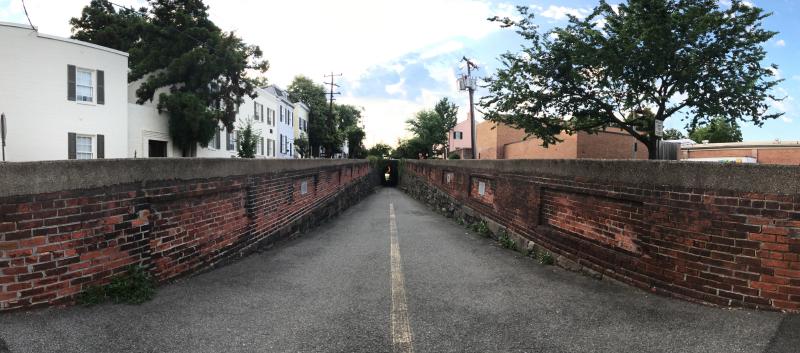
Wilkes Street Tunnel from the western approach, July 2017 — the brick-arched railroad tunnel cut beneath Wilkes Street in the early 1850s for the Orange & Alexandria Railroad to reach the Potomac wharves, today an Old Town pedestrian and bicycle passage. © KingSt.com, July 2017 Wilkes Street (between South Royal and South Lee)
Brick-arched railroad tunnel carved beneath Wilkes Street in the early 1850s for the Orange & Alexandria Railroad to reach the city's …
1100 Wilkes Street 1100 Wilkes Street
Cluster of twelve adjacent burial grounds stretching across the 1100 block of Wilkes Street, including Methodist Protestant, Presbyterian, …
Nearby in space
Placeholder illustration of Louverture Hospital Site. Seed placeholder — KingSt.com, 2026. To be replaced with archival photograph. 219 South Payne Street
Union Army hospital established in February 1864 for U.S. Colored Troops and Black civilian refugees in occupied Alexandria. Named for …
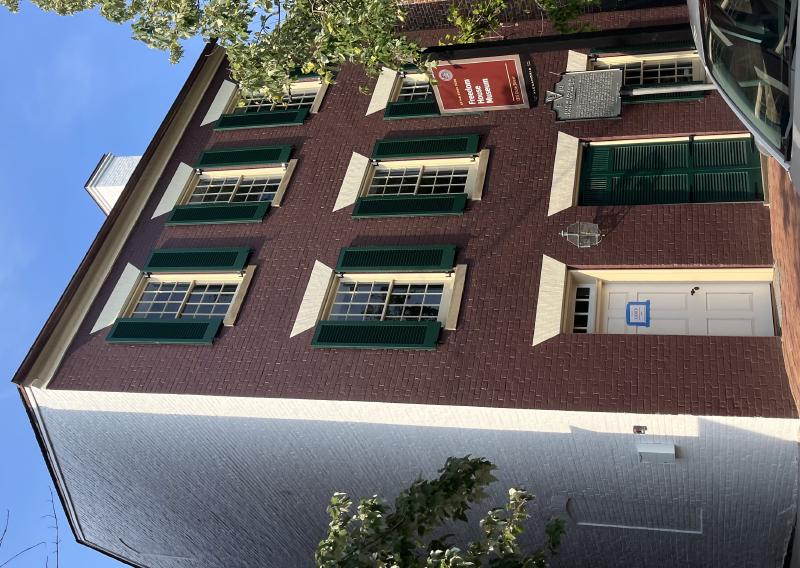
Theodore Christopher · via Wikimedia Commons · CC0 1315 Duke Street
Federal-style brick house at 1315 Duke Street built in the 1810s by Brigadier General Robert Young of the DC Militia; from 1828 to 1837 the …
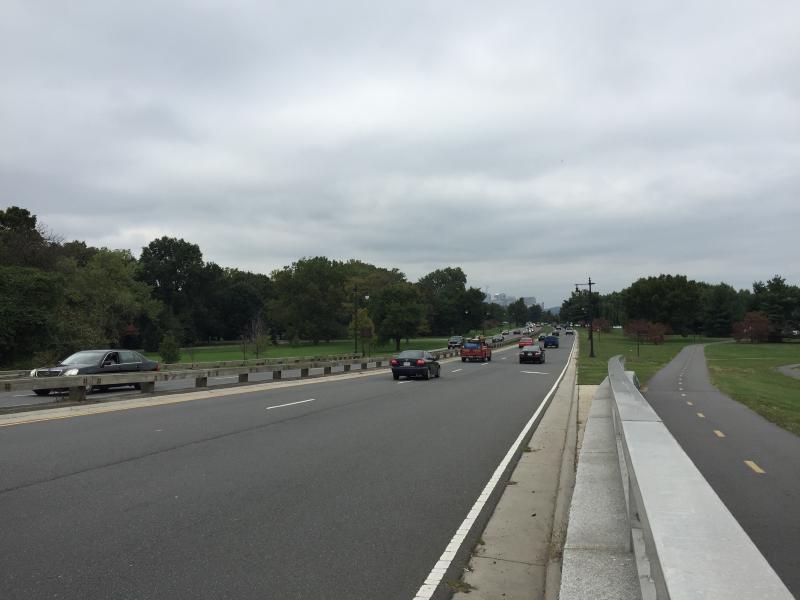
Famartin · via Wikimedia Commons · CC BY-SA 4.0 George Washington Memorial Parkway
Scenic parkway completed 1932 from Memorial Bridge to Mount Vernon, the first federally constructed parkway commemorating Washington's …
Parker-Gray neighborhood Parker-Gray neighborhood
Historically African-American residential and commercial district north and west of Old Town, anchored by the Parker-Gray School. …
Now
No current occupant on file. Are you, or someone you know, the present occupant? Claim this place to add operating hours, a current photo, and a short note.
Interpretive signs nearby
The City of Alexandria has installed 1 historical interpretive sign within walking distance of this place. Each link below opens the sign's page on this site, with the full image and trail context.
The Baggett and Hellmuth Slaughterhouse
Jefferson-Houston School 1501 Cameron St
Sources
- 1.
Alexandria Library, Local History/Special Collections, Barrett Branch, Alexandria, Virginia.
Manuscript
- 2.
Library of Congress, Prints & Photographs Online Catalog (Washington: Library of Congress).
Photograph
See something wrong?
Every correction is logged dated to this page. Family history, old photographs, or a citation we missed — everything goes into the file.